
Wild Apple Seeds
| Product | Price | |
|---|---|---|
| 1000 Seeds, WIAP_S-1000 | $120.00 |
|
Seeds-Plant Discoveries-New Crops-Ecological Enrichment Click Here!

| Product | Price | |
|---|---|---|
| 1000 Seeds, WIAP_S-1000 | $120.00 |
|
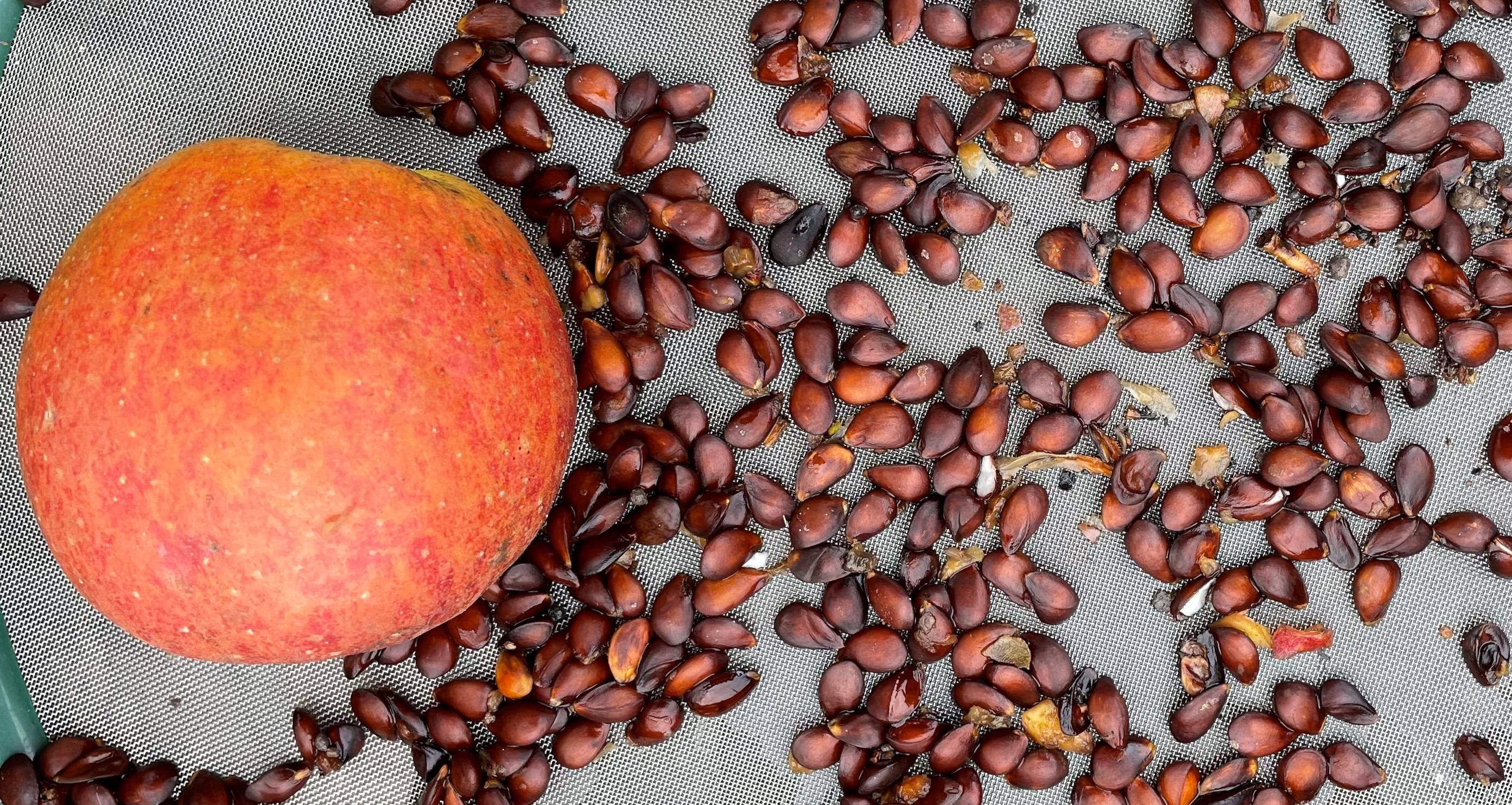
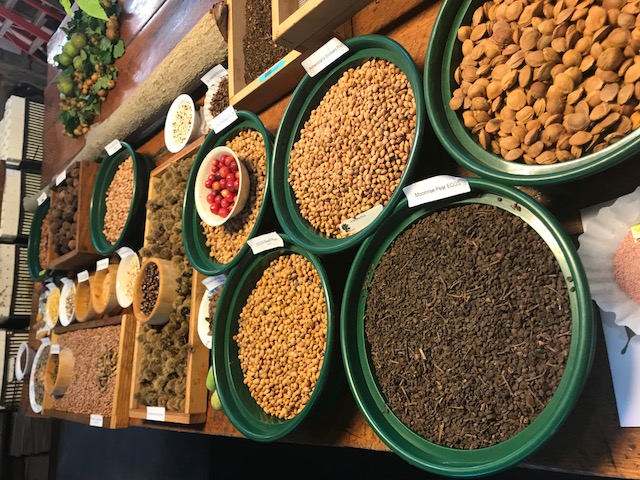
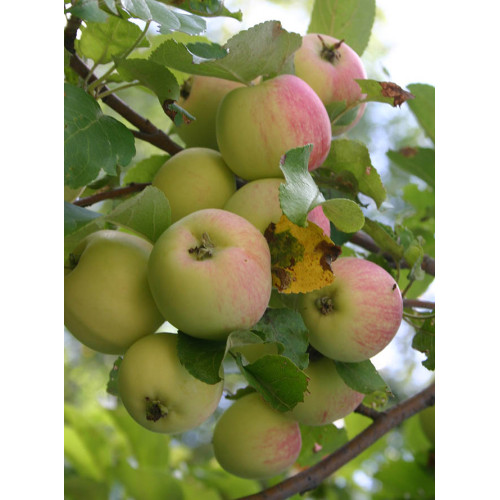
This Ecos selection is a seedling strain direct from our farm where I planted 'wild' apples found within the state of Michigan that appeared to defy the natural laws surrounding insects and disease. If possible, I made the selections based on the leaf health of the seedlings as well as the 'look' of them including large leaves and fast growth. In the end, I found a number of interesting apples that mostly fall into the large crabapple category. These seedlings produce one to two inch fruit with little or no insect damage. Some of the hybrids are with the native crab called Heterophylla apple. Fruit flavor is similar to the apple crabs and can vary from tart to sweet. The 'Waterfall' apple I currently use is a seedling selected from a native crapple cross of Malus coronaria and the domestic apple. As a result this highly fruitful plant produces a yellow perfectly clean and almost impossible to eat fresh crab apple quite high in astrigency until frosts winnow it down to usable for jam and jelly. Scion wood is available upon request with a seed purchase. This is by the far the most productive apple I tree I have if you just measure in terms of yields alone. Further selections could easily be grown from this wild form as a wild strain of indigenous North American wild apple tree.
To germinate the seed: Plant 1/4 inch deep in sandy soil in the fall. Seedlings will emerge in early spring. For the refrigerator method, store in lightly damp Canadian peat moss at 33-39 F for 60-120 days. Seeds will sprout after 60 days and you can remove them as they sprout and plant them in pots. It is very easy to grow apples from seed and it is a good beginner woody plant seed experiment. Do not plant the seedling too deep when you put the sprouted seeds in a pot. The seedling will damp off easily in heavy soil mixes.
From 2024 crop year. Refrigerated.
| Plant Specs | |
| Genus & Species | Malus domestica crosses with crabapples and russets |
| Seed Source | Michigan- All cultivated at our farm using yellow fruited crabapples and seedlings of the Russet apples which show the highest yields. |
| Hardiness | -30 F |
| Height (ft) | 30-40ft and equal width |
| Pollination Requirements | Always self fertile. Some data supports additional nearby crabapple pollinators on some selections. |
| Soil | Adaptable to a wide range of conditions the apple thrives everywhere except heavy moisture laden soils, although in some cases that is possible too. |
| Climate | Zones 3-8 |
| Ease of Cultivation | Easy to grow from seed. Can be sprouted in the fridge method and direct seeded outside in the spring. Few apples have been selected based on nutrition. This is one way to capture the health benefits of a wild apple in a more forgiving cultivated setting. These are worth growing for selecting healthier apple trees without the insect and disease issues so common with orchards today. |
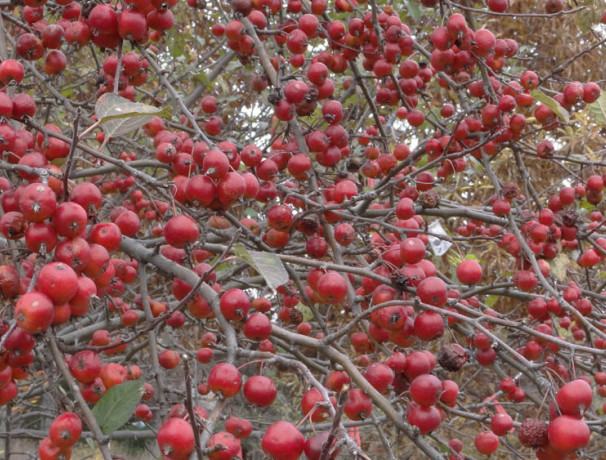
Hewes is a Virginia crab hybrid complex which comes true from seed crabapple. The variat..
$82.00
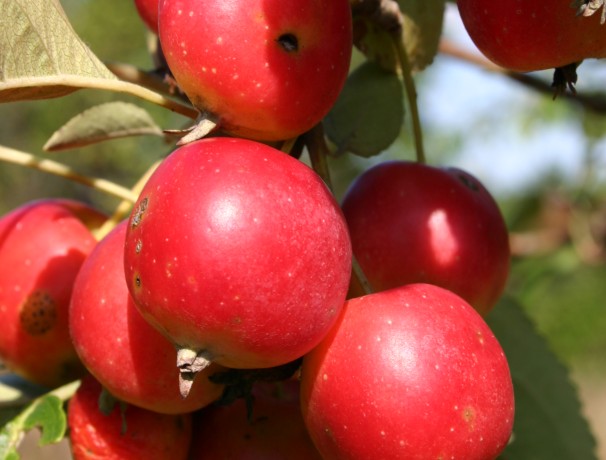
Selected seedling crabapples from our seedling crabapples with very clean foliage and dense cl..
$120.00
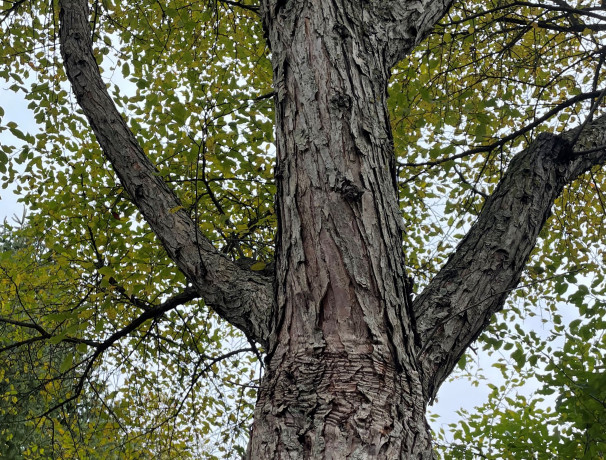
This species is well known as one of the species complex of modern day apple..
$82.00
Kerr applecrab represents a cross between two very hardy apples done in the early 50's by Morden Res..
$84.00