
-500x500.jpg "Green Blanket Wild Squash and Gourd")
Green Blanket Wild Squash and Gourd
| Product | Price | |
|---|---|---|
| 200 seeds, GBWS-200S | $28.00 |
|
| 1000 Seeds, GBWS-1000 | $110.00 |
|
| 2000 seeds, GBWS-2000 | $180.00 |
|
Seeds-Plant Discoveries-New Crops-Ecological Enrichment Click Here!

| Product | Price | |
|---|---|---|
| 200 seeds, GBWS-200S | $28.00 |
|
| 1000 Seeds, GBWS-1000 | $110.00 |
|
| 2000 seeds, GBWS-2000 | $180.00 |
|
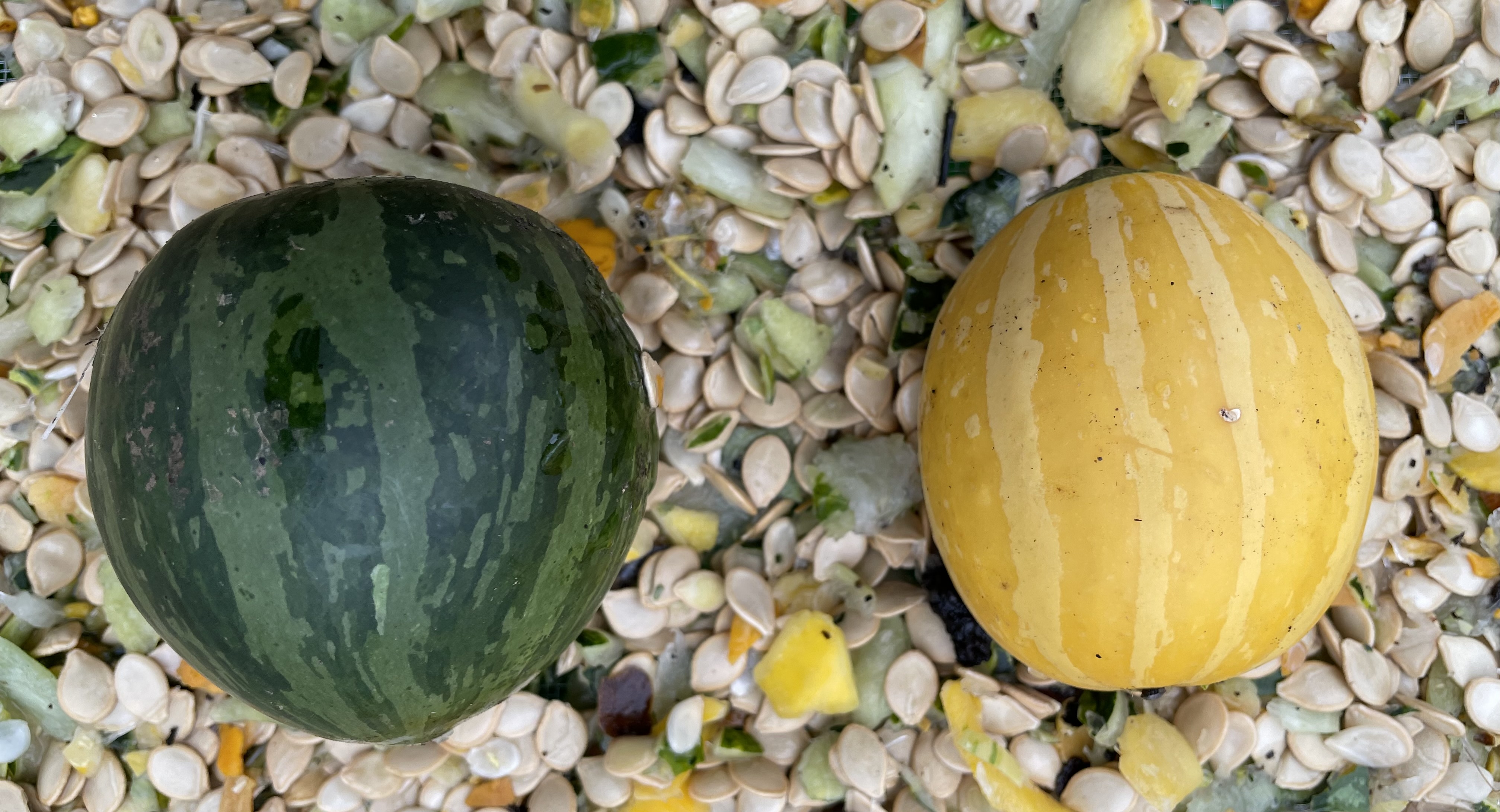
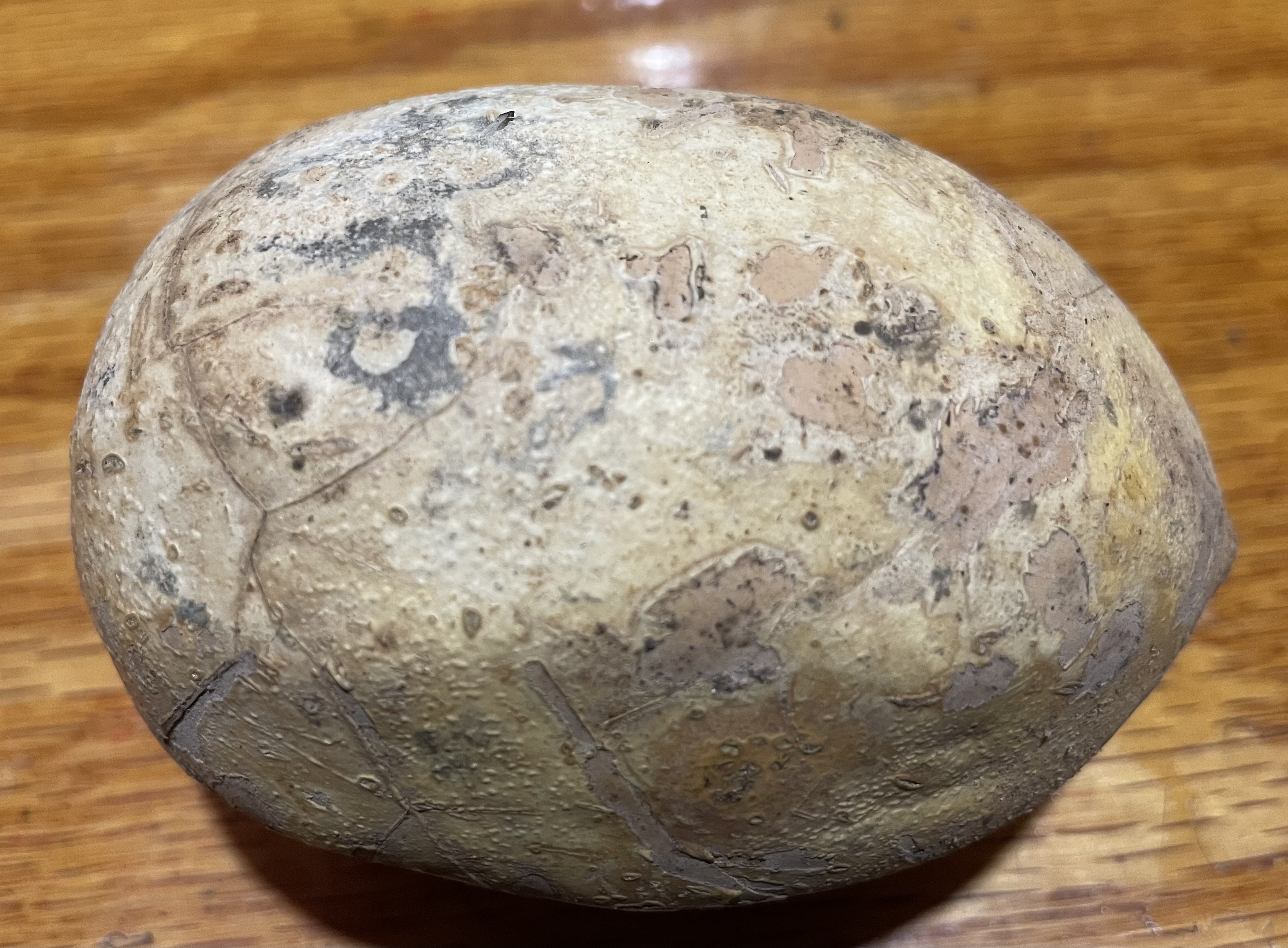

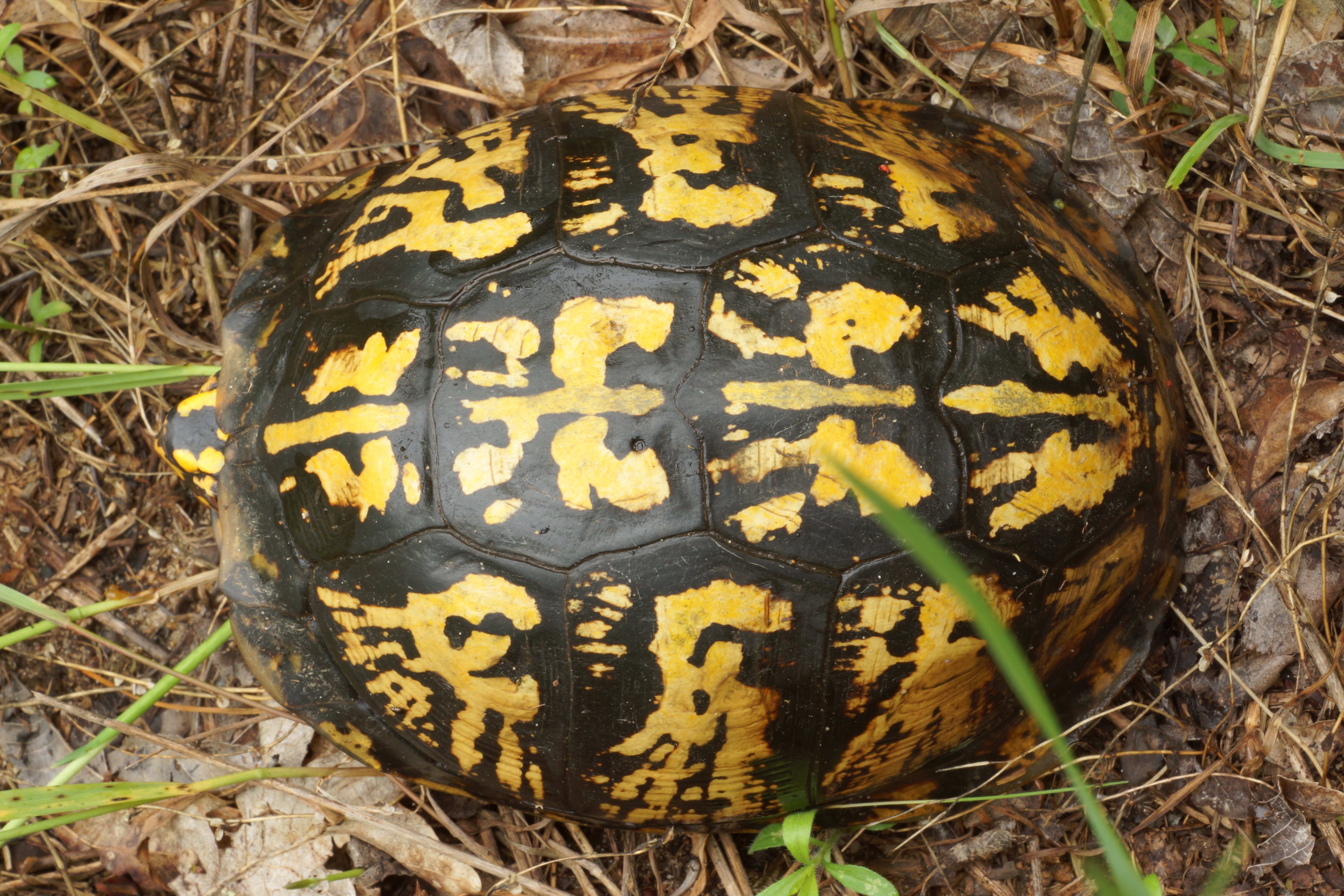
Green Blanket: Ozark, wild squash, gourd and wild Peruvian pumpkin hybrids.
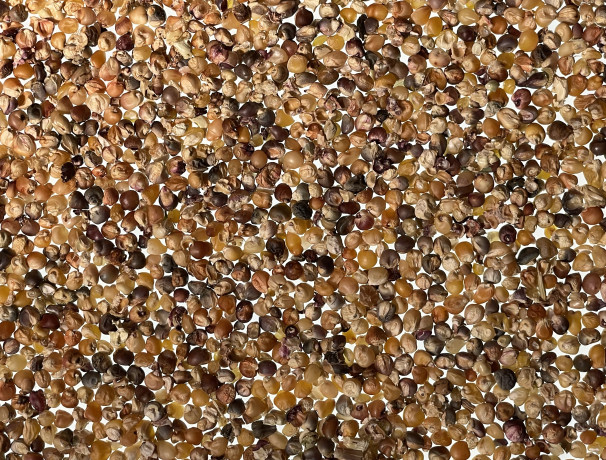
"Green Blanket" offers a chance to grow a member of the Cucurbita genus in a untended setting in impoverished soils while still retaining vigor and the ability to reproduce itself if needed. The vines have a strong self rooting tendency so even vine borers do not affect the growth. The foliage is impervious to mildew and other foliar diseases. The seeds are held within the dried skin of the fruit for later dispersal or possibly harvested by for their edible use. The seeds do have the bitter compounds found in their genetic heritage but there is some variation on this and the potential for use as an oil crop.
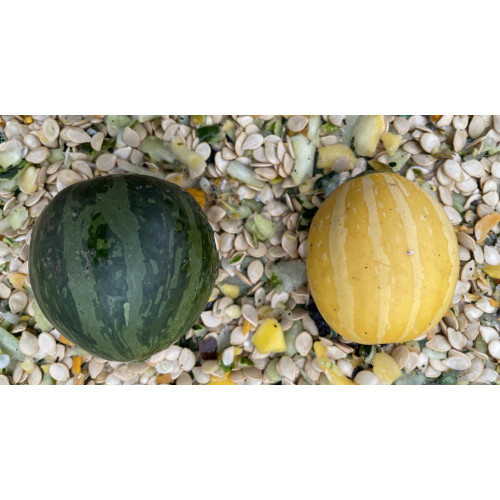
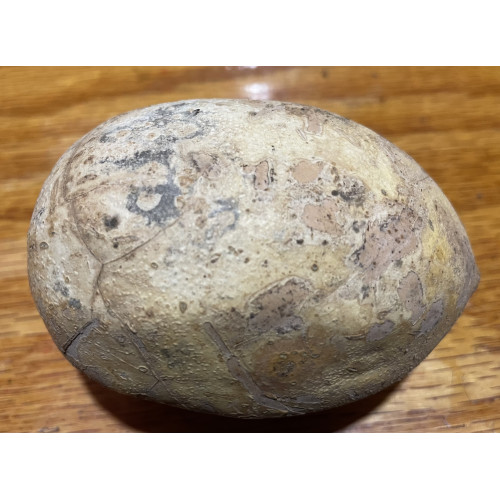
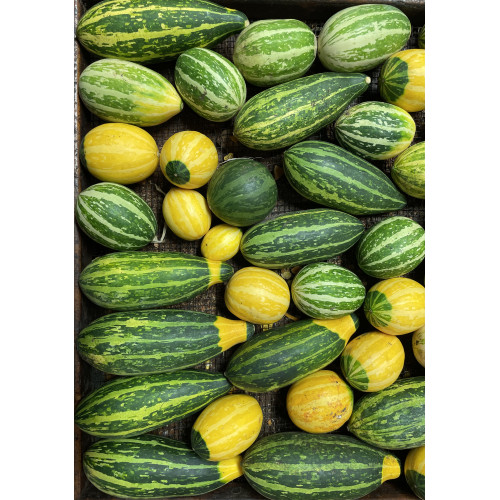
"Green Blanket" shows considerable variation from round yellow and green fruits to elongated type gourds. "Green Blanket" use is for highly disturbed sites or places where little else can establish. Because it provides a large canopy over bare soil, it would allow other plants to establish where they could not grow before without it. Humidity is retained within the soil because of this characteristic of its large palmate leaves. The gourds can be thrown over a landscape as is and slowly over the course of three years they will break apart and release their seeds. The outer skin of the gourds are very tough and the seeds do not rot within the gourd making for harvest very easy.
Further grow outs are being carried out to focus on the seed aspect of it and potential oil extraction as well as it use for conservation, wild and feral plantings. It has proven itself at my farm as a wild gourd but it has not been possible to eat the seeds or use as a edible seeded squash. But every year more of the population does show potential for this use.
Germination of the seeds: Seeds can be planted after frost in a sunny location. Plant 1/2 inch deep. Seeds will germinate within 7-10 days. Seeds take a little longer to germinate than pumpkin seeds. Fruit ripens within a 80-120 day period. Seedlings can tolerate light shade and some fruiting does occur in shade. Transplanting from plugs works very well despite drought conditions during establishment. Deer sometimes eat the foliage and other times seem to avoid it altogether. Might not be on their list of preferred browse. Crushed gourds after drying can release the seeds.
"Green Blanket" creates a Green Cover- From a natural hybrid two wild crop relatives, Green Cover represents a population of heavy fruited gourd type fruits packed with seeds. The seeds have both potential food use as well as possibilities for conservation. It is possible to make this a feral squash if certain environmental conditions persist. Bare ground is necessary for the seeds to get wedged into the soil and sprout. The amount of pollinators especially bumblebees with these flowers is astounding. Squash flowers are very heavy in pollen production so its only natural to see a lot of bumblebees.
Price includes shipping. Priority mail.
| Plant Specs | |
| Genus & Species | Cucurbita ozarkensis and wild pepo and possibly other squashes. |
| Seed Source | Michigan. Selected over time using pure wild pumpkin types and pure Ozark gourds. Over time the yellow fruited plants dominated the seed source. Today it is a mix of everything that survived over a 15 year period and nothing else. New looking butternut like fruit are showing in the population although no one grows squash near me and I do not maintain any other populations here at my farm to avoid crossing. |
| Hardiness | Annual-frost sensitive. Ripens in 80-90 days and retains its quality if left out until Novermber in Michigan. |
| Height (ft) | Vines can grow up to 50 ft. in a single season. Average 20-30 ft. vines. Self roots. |
| Pollination Requirements | Self pollinating. Will likely cross with other pumpkins and squash because bees find the giant blossoms very easily. |
| Soil | Will grow in any soil including rock and sand. Tolerant to wet conditions. |
| Ease of Cultivation | Practical selection to use this genus for groundcover while other plants are establishing. Potential for oil and seed production for eating with further selection. Missing in action in the wild flower mixes and other wildlife plantings. |
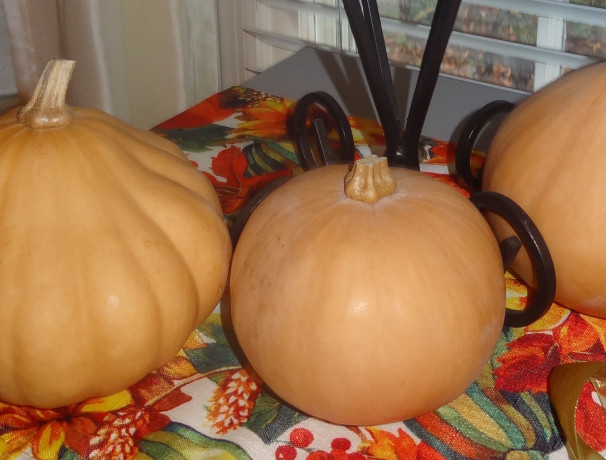
One of the oldest and continuous land race pumpkins grown and stewarded by the Seminole Tribe of Flo..
$48.00
Ancient Grass meets Sweet Corn Equals Neosinte'Neosinte' represents a forever chan..
$36.00