

Wild Goose Plum Seeds
| Product | Price | |
|---|---|---|
| 100 Seeds, WGPL_S-100 | $72.00 | Out of stock |
Seeds-Plant Discoveries-New Crops-Ecological Enrichment Click Here!

| Product | Price | |
|---|---|---|
| 100 Seeds, WGPL_S-100 | $72.00 | Out of stock |
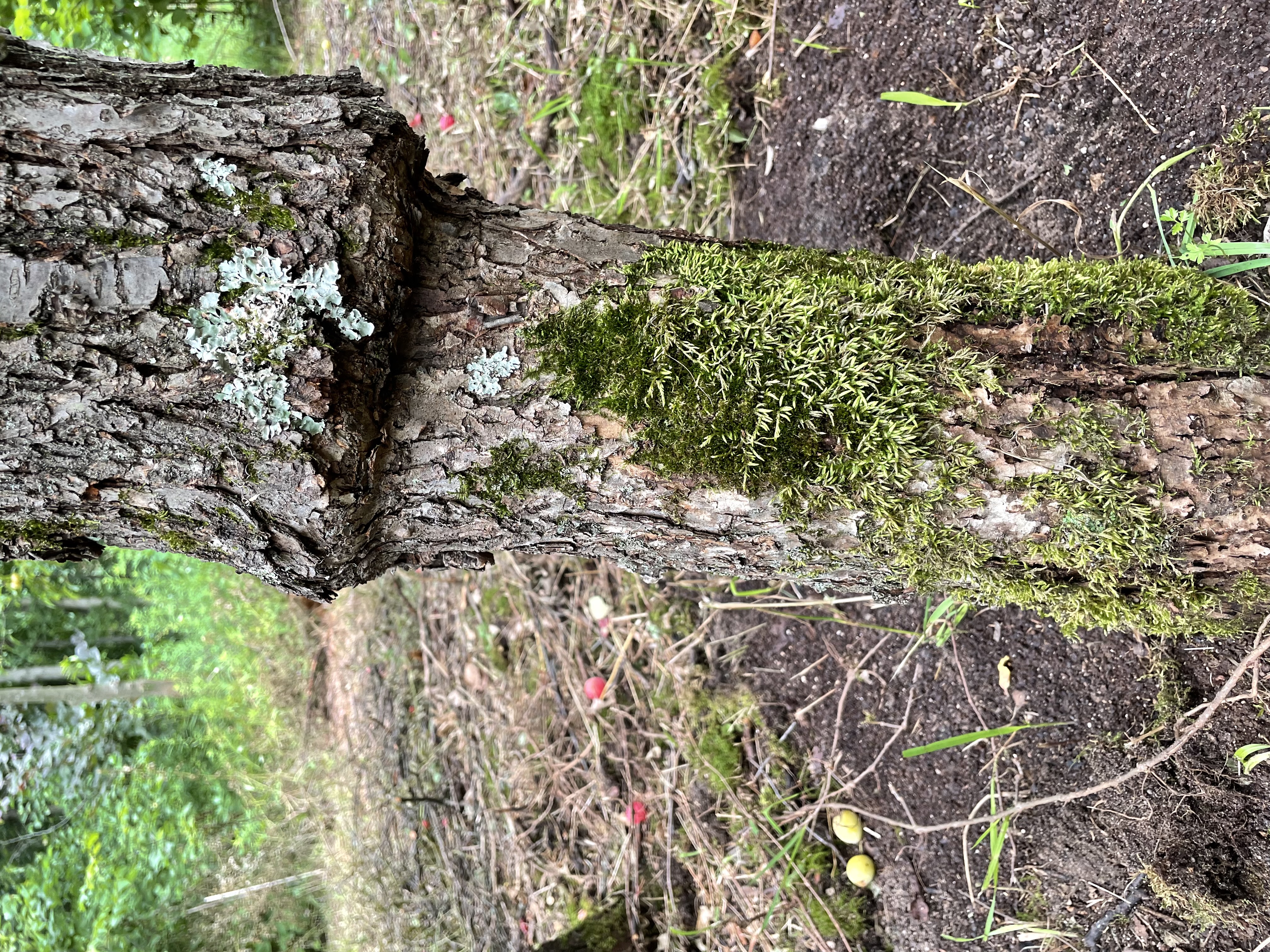

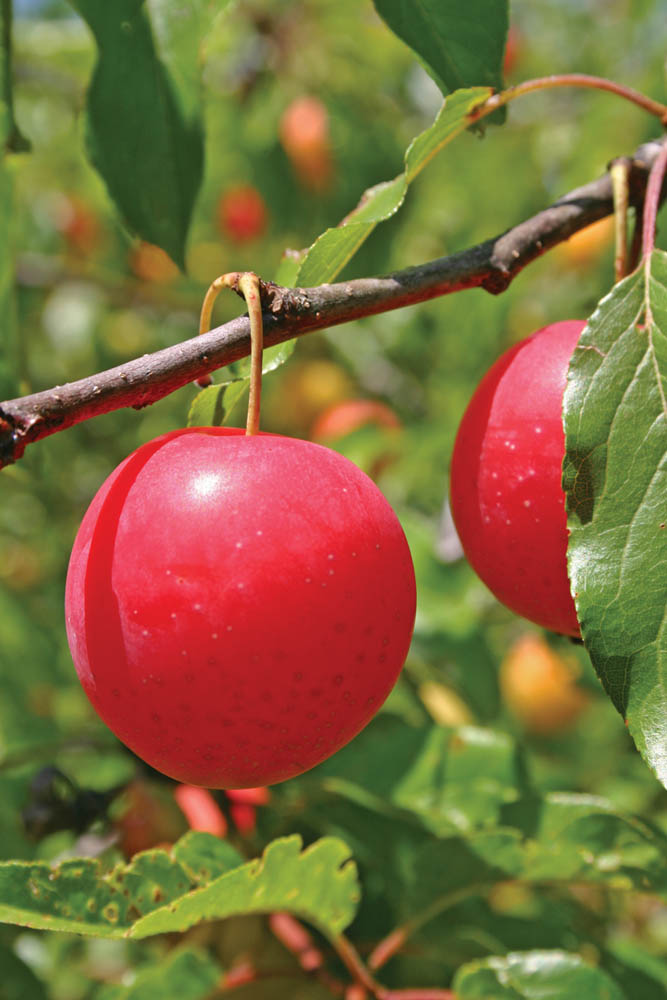
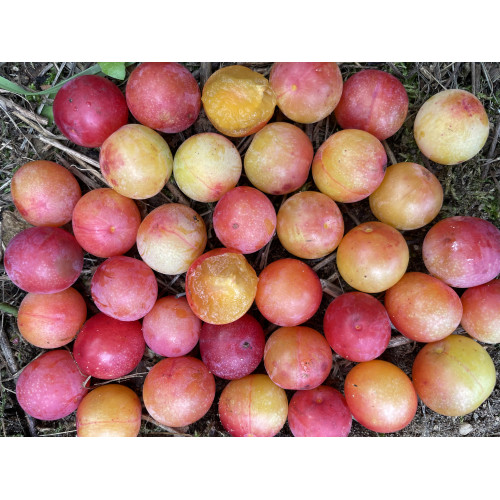
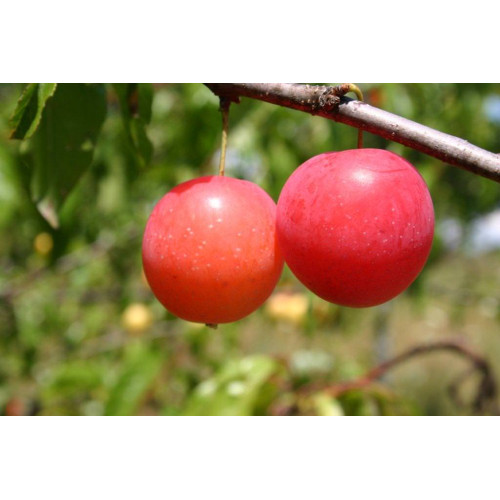
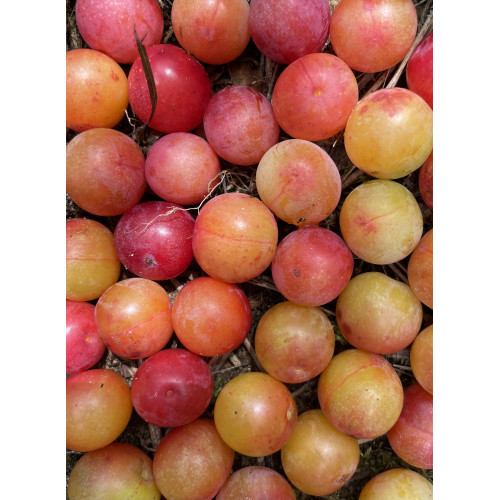
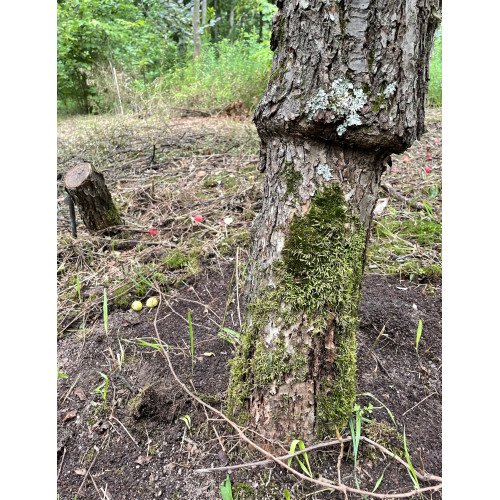
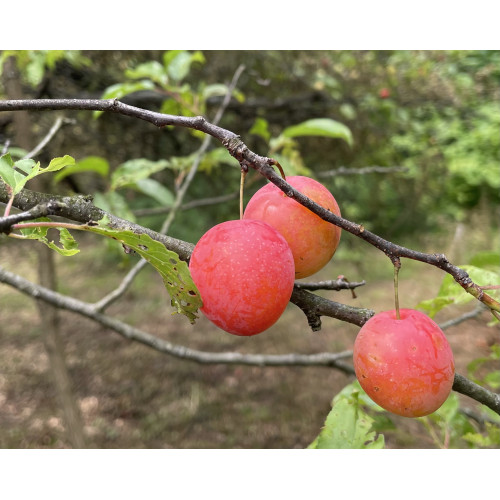
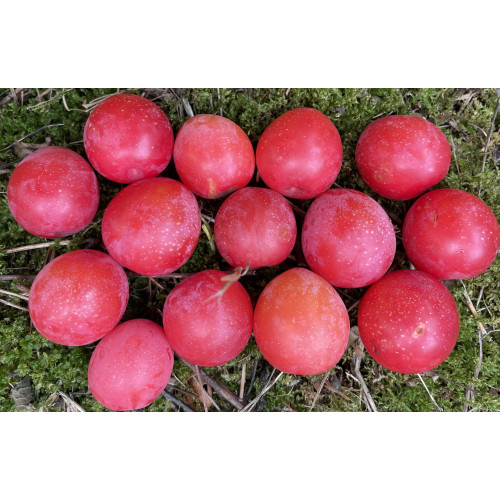
I was fortunate to get this original wild goose plum tree from a well known plum expert in Virginia. I grafted it onto several American plum rootstocks and planted it out on a wind swept hill. From there the trees began to fruit after eight years of waiting. Since then I added its seedlings next to it which greatly increased the yields from 8 plums to several hundred plums per year. This original form matches the original taxonomy of the variety and has survived well in Michigan producing delicious plums that can be eaten direct from the tree. The ripening period is long starting in the second and third week of July and continues through August. The plums ripen one by one along the branches going from yellow to red. The flesh is translucent yellow and very sweet once fully ripened.
The original story about this tree comes from a hunter who found the seed in the crop of a goose and planted it. Since then many seedlings from this tree were distributed under the name ‘wild goose’. My source had the original Wild Goose plum and he suggested I not grow it from seed. We grafted the selection on American plum rootstock where it lives today at my farm in southwestern Michigan.
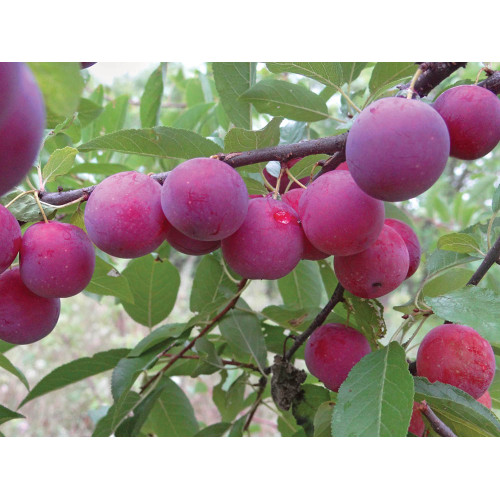
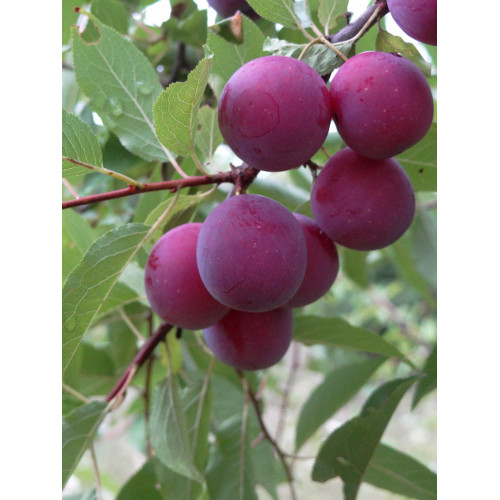
From seeds, this plum produces an amazing array of seedlings which show hybrid vigor and an array of crosses with beach, chickasaw and dunbars plums. Worthwhile to grow to make new cultivars. It can be harvested and eaten fresh off the tree without astringency or tartness but not like the insipid bland overly sweet California plums. The populations generated from it turned out to be equally as impressive and certainly worth growing from seed without selection. It takes 5-6 years to fruit from seed. Seedlings reach 8-10 ft. tall before fruit set. Some trees are naturally more fruitful.
To germinate the seeds: Plant outside in the fall 1/2 inch deep with seeds spaced 1 inch apart. Some seeds will germinate the first spring. Keep in mind with the wild goose plum a portion of the seeds will germinate the second spring. For the refrigerator method, put your seeds in a zip lock bag with lightly moist Canadian peat moss for 60-120 days at 33-38 F. Never freeze plum seeds. Seeds will begin germinating in 60-90 days and the seeds will crack open. Take these out and plant in pots that contain well aerated sandy or perlite rich soil mix. Avoid using heavy compost as the roots rot easily. A portion of the seeds will need an additional warm (120 plus days room temperature) and cold stratification (as above) to break dormancy.
20 by 20 spacing 109 trees per acre. Wild goose plum needs as much space as a peach tree for most applications.
20 by 30 spacing 73 trees per acre. 30 ft. rows is ideal as it provides more room for driving as the lower limbs can get large.
Hedgerow 5-10 ft. apart assuming no vegetation on either side-full sun. 100 trees would make a a row 500 ft. to 1000 ft. long.
All seeds have been floated to eliminate blanks. From 2024 crop year and refrigerated.
| Plant Specs | |
| Genus & Species | Prunus hortulana and hybrids |
| Seed Source | Michigan-Originally midwestern form found in Kansas, Missouri and Nebraska. |
| Hardiness | minus 25F or more |
| Height (ft) | 10-15 |
| Width (ft) | 10-20 Spacing in an orchard 20 by 20 or 20 by 30. 109 trees per acre for 20 by 20 spacing. Hedgerow spacing of 5-15 ft. apart |
| Pollination Requirements | Self fertile but 2-3 plants is ideal for production. Will cross with other dunbars and chickasaw plums to some extent as there is overlap in the pollination periods. The varietal "Wild Goose" is not very self fertile and would need other related wild plums to help in its yields. |
| Soil | Best in sandy loam or loam soil. OK in clay even with a higher ph. |
| Ease of Cultivation | Easy to grow from seed. May need 2 years to germinate the seeds fully. Very practical to grow from seed and shows great variation from seed which is an asset as far as producing varieties from. But also a fantastic flavor circus with the whole population. Trees fruit in 5-10 years from seed. A small population is ideal for fruit yield and a variety of flavors. Vigor is amazing and one reason to grow this plant is that the fruit quality is fantastic. Has been immune to black knot and plum curculio. |
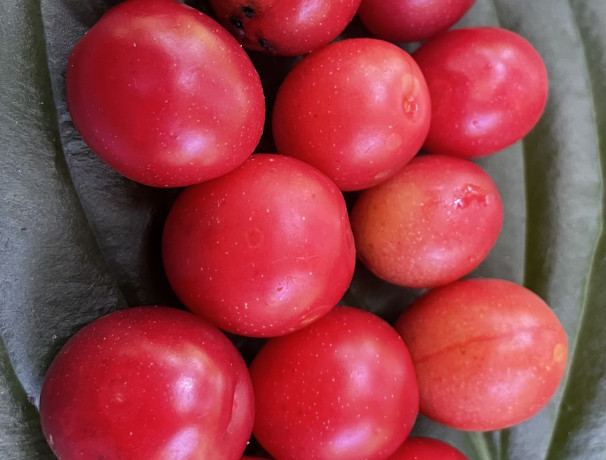
Chickasaw and Wild Goose Plum Hybrid-Grown and Selected from Seed to Tree to Seed Again..
$140.00
-606x460max.jpg "Morning Sun Wild Goose Plum")
'Morning Sun' is from a new class of wild plum selected as a seedling of 'Wild Goose' of..
$180.00

Sweet and Lucious Goodness-Fresh Eating with No Insect or Disease Issues"Sugary Fortune" represents ..
$240.00
"Juicy Delight" retains the original 'crispness' of the original wild goose plum as well as the juic..
$240.00
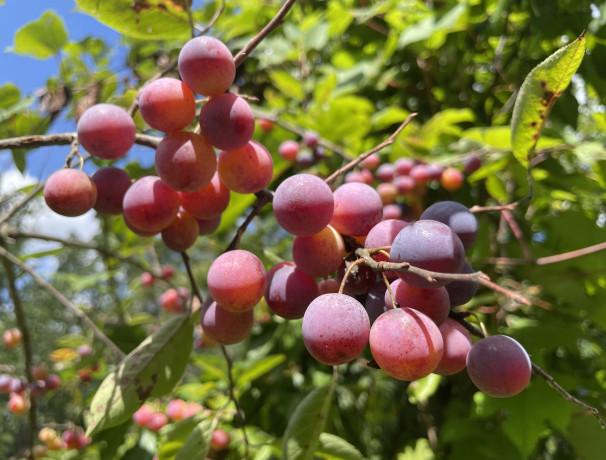
soldout and discontinued100 seeds of 5 types of plums. 500 seeds total. Each packaged separate..
$320.00