

Alberta Clipper Corn
| Product | Price | |
|---|---|---|
| 500 seeds, ACCO_S-500 | $32.00 | Out of stock |
Seeds-Plant Discoveries-New Crops-Ecological Enrichment Click Here!


| Product | Price | |
|---|---|---|
| 500 seeds, ACCO_S-500 | $32.00 | Out of stock |
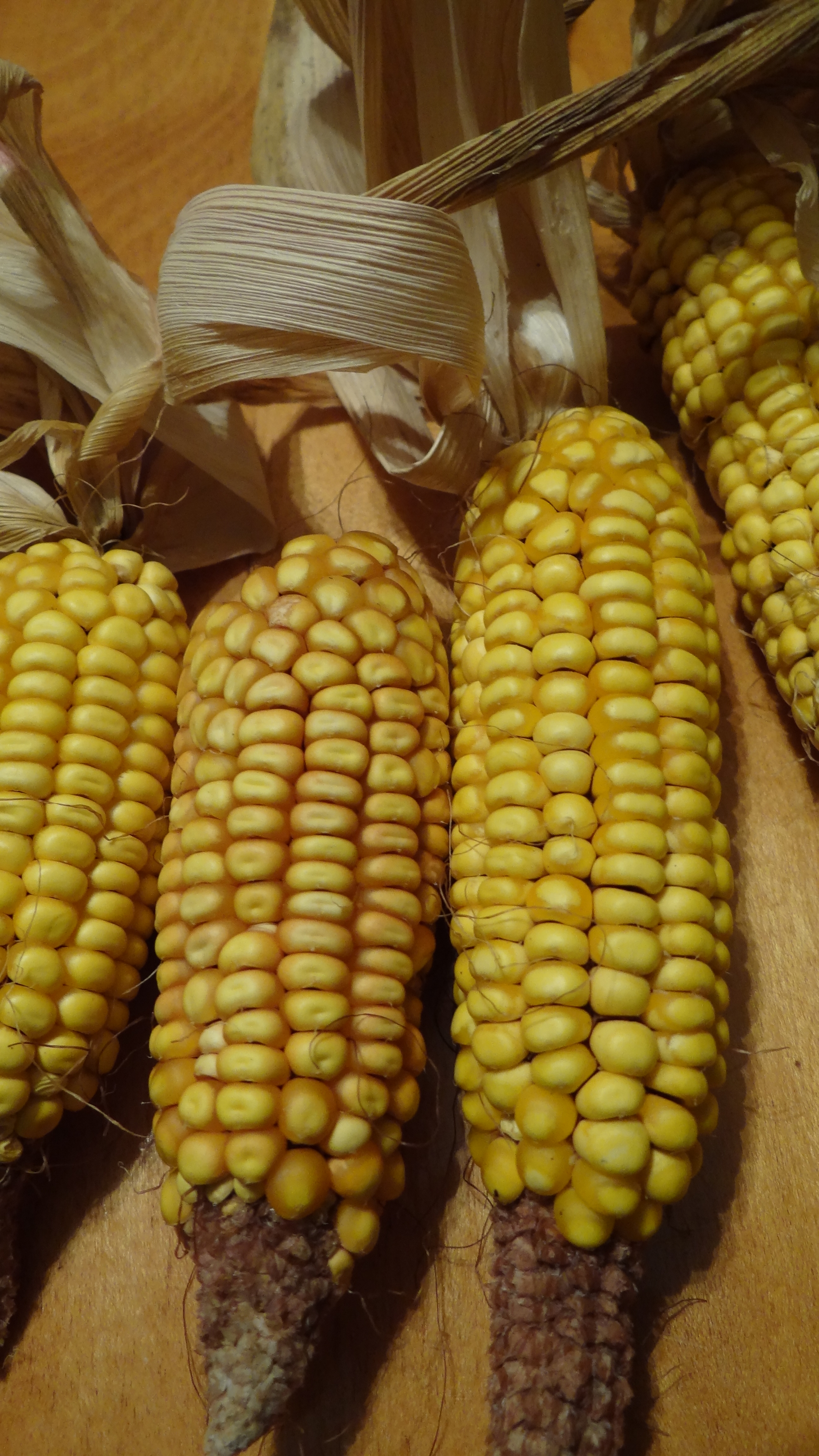

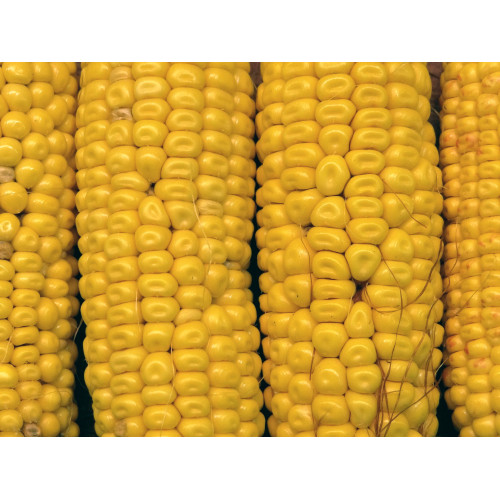
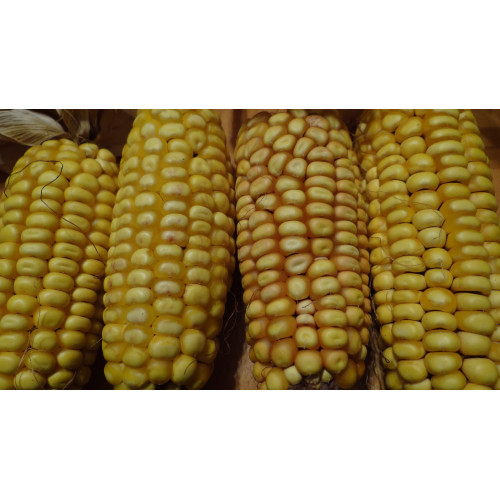
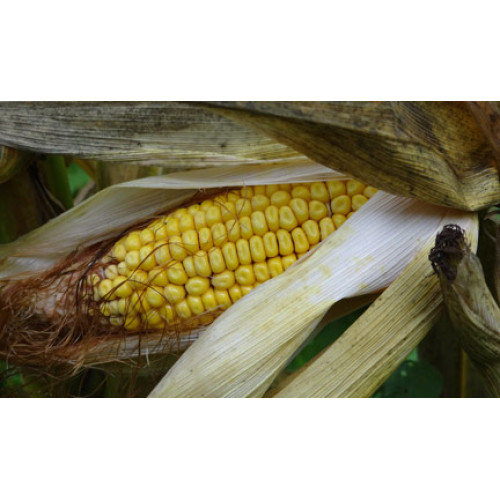
Super early maturing dry field corn from Alberta, Canada developed at Oikos Tree Crops.
Can be used for meal or eaten fresh if the ears are roasted in the early stage. The six inch ears are always free of corn ear worm due to its long husk. Plants are semi dwarf growing 3-4 ft. tall on average with one ear per plant. Plants produce some tillers. This seed strain was given to me by a researcher from Canada who was working with short season crops for the most northern areas of Canada. The idea was to find other crops other than canola to grow in the short cool summer areas in the Canadian prairies. It took me about 4 years of growing the plants out to get a uniform crop with larger ears with uniform filling all the way to the end of the ear. The first year the ears were only three inches long. Since my farm is completely isolated from corn fields I was able to quickly squeak out a population of similar short season plants with larger ears and complete filling of ears.
The earliness varies a little from 60-70 days. In 2017 I planted on July 1st and it still ripened in time before fall set in. The ears were smaller than normal that year so that might be its limits in terms of yield and development of the kernels but it can easily be done and still useful for an additional crop or green manure side effect of a small harvest. Alberta Clipper could be a commercial variety if used as an additional crop inbetween rows of fruits, vegetables and other woody crops as an additional source of valuable non GMO and easily attainable organic production for either animal feed and human use for corn meal. The plants are naturally dwarf and are easily mowed down for mulch too.
I am guessing the yields of Alberta Clipper are a third or half of today's normal hybrid field corn. The real advantage of this corn is a that it can be planted late after spring crops are harvested and still yield something of value in a short season. Alberta Clipper can be used to feed animals or corn meal for the home gardener. Rather than letting a field go fallow, this corn could be used along with a nitrogen fixing crop for an additional yield. The 60 day ripening means the husks are brown and starting to hang down from the stalk. Other people report that the dry down is maybe a week later than my projected 60 day mark.
This is one of several early field corns like Darwin John for use in areas thought to have little or any cultivation of corn in the early Americas. It is likely a composite strain selected just for earliness found originally in the prairie areas of Canada. I like to think of it as an adjunct crop growing in conditions where there is little wiggle room for ripening. The dwarf plants are strong. They have good resistance to rust and ripen earlier than the southwestern varieties of early corns. The short season southwestern corn I grew was not short season here only because the intentsity of the sun is greatly reduced in the always cloudy southwestern Michigan climate.
To germinate the seeds: Seeds germinate in cool soil. Plant 1/2 inch deep. Spacing can be denser than most corn. Plants grow from 3-4 ft. tall. 30 inch rows 6 inches between plants is ideal. Figuring out a higher density planting may play a role in making it even more economically viable on a larger scale.
| Plant Specs | |
| Genus & Species | Zea mays |
| Seed Source | Michigan, Originally from Alberta, Canada |
| Height (ft) | 3-4 |
| Pollination Requirements | Breeds true if no cross pollination. |
| Soil | Any soil will do. |
| Ease of Cultivation | Some variation exists in ripening but in general if planted late will still ripen in 60 to 70 days meaning the husks have turned brown at that point. Yields are good for a dwarf corn like this but low compared to conventional corn. Would be a good adjunct garden crop or side crop while you wait for another crop to ripen to replace it. Has to be the easiest crop to grow. No wonder corn is such a savior. |