

SoGood Buartblack Walnut Nuts
| Product | Price | |
|---|---|---|
| 200 Nuts, BUBL_S | $180.00 | Out of stock |
Seeds-Plant Discoveries-New Crops-Ecological Enrichment Click Here!

| Product | Price | |
|---|---|---|
| 200 Nuts, BUBL_S | $180.00 | Out of stock |

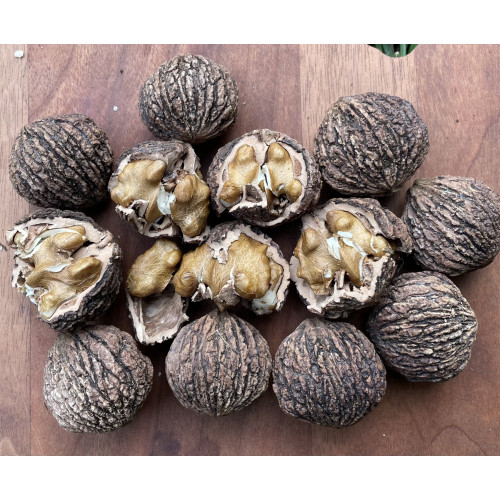
Natural Hybrid of Black walnut and Buartnut.
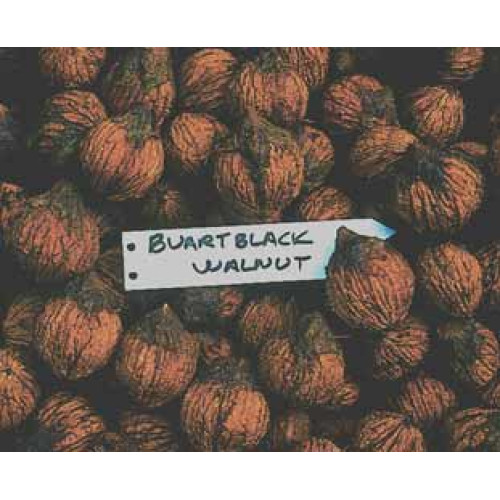
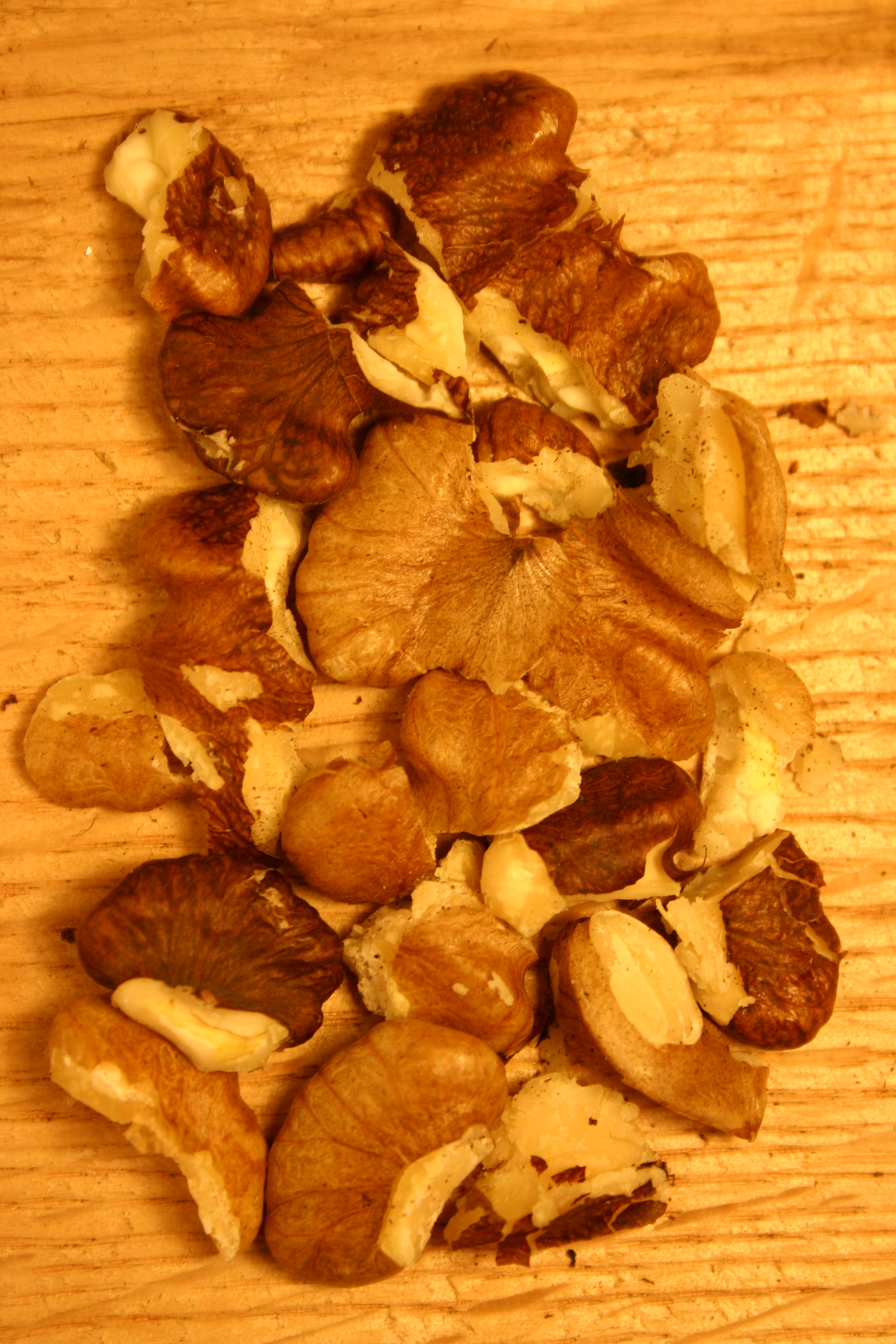
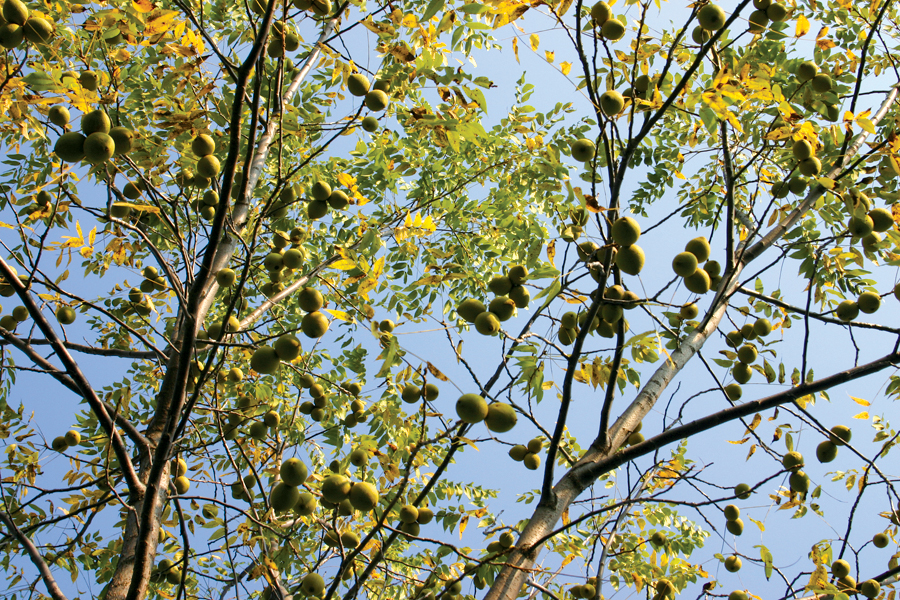
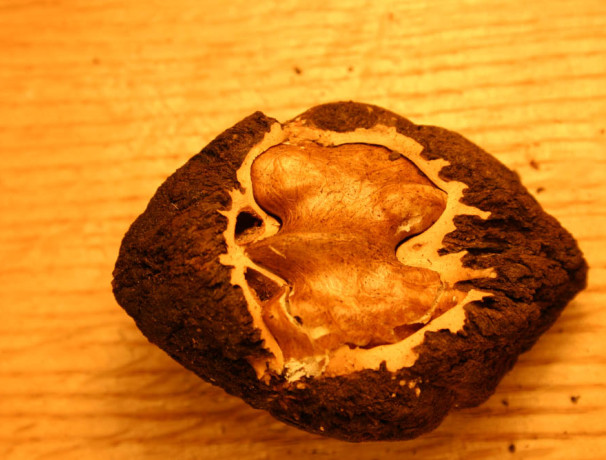
This strain came originally from one of the largest buartnuts in the U.S. found here in western Michigan. I grew and selected what I thought was a hybrid cross with black walnut from a large group of buartnuts by looking at leaf shape and texture. Several seedlings of this one parent tree exhibited hybrid vigor. This particular tree was selected because of both its early branching and straight growth with symmetrical form. Several others that produce nuts also have very high yields of nuts with usually thick shells yet delicious nut meats. The meat to shell percentage is around 17 percent. The yields are very high with what is considered side or spur branching to some extent. Seedlings from this group also exhibit this trait and also show nearly twice the rate of growth from other walnuts at my farm.
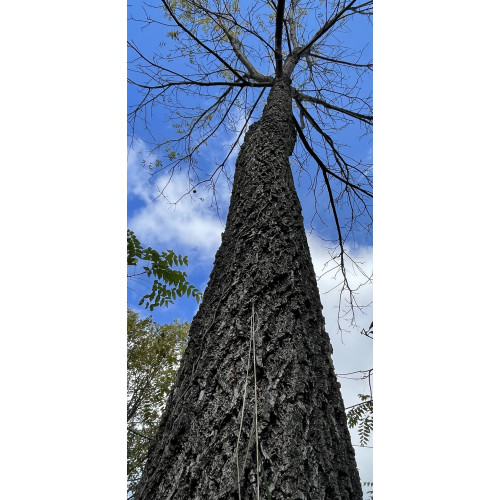
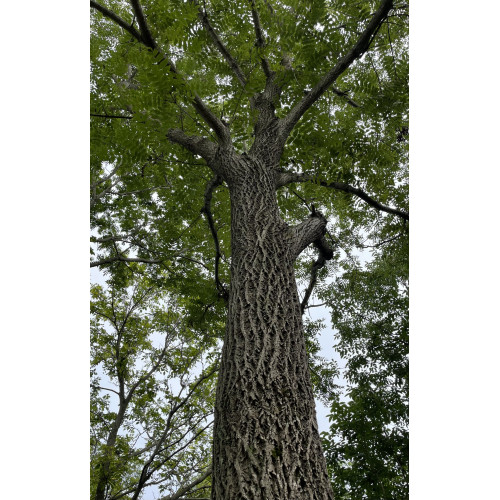
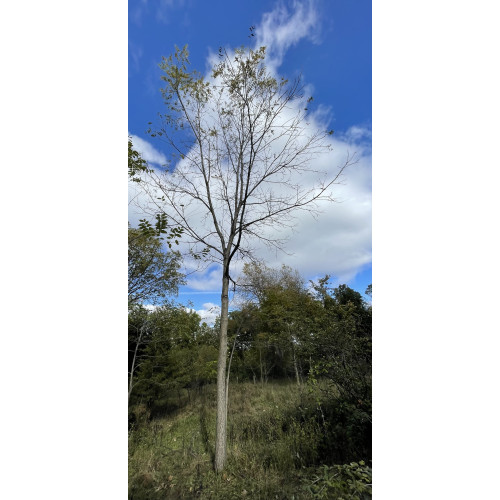
The seed nuts were collected from the tree shown in the images here. It is the second generation from a tree that cracks out halves and quarters using a hand compression cracker. The trees yield is the highest I have seen yet but the shells are thick. Scionwood can be requested under the "Scionwood and Cuttings" product available dormant condition in the winter-spring of the year.
This named variety is "SOGOOD" referring to the taste of the nut meats.
To germinate the seeds: Prior to germinate soak overnight in water then: Put the seeds in moist Canadian peat moss in the fridge in a zip lock bag. Seeds can be taken out in the spring after 90 to 120 days. Seeds will sprout after putting in room temperature for 1-3 weeks. After sprouting you can pot them or put them outside in their permanent location. Tap roots develop first when growing walnuts from seed. It is possible a portion of the seeds will sprout the second year but it is unusual.
| Plant Specs | |
| Genus & Species | Juglans bixbyi x nigra |
| Seed Source | Michigan |
| Hardiness | -30F |
| Height (ft) | 40-50 |
| Width (ft) | 40-50 |
| Pollination Requirements | Crosses with black walnut and likely self fertile. |
| Soil | Loam, Clay loam and sandy loam. |
| Climate | Zone 3-8. Does best in not humid climates as far as having less foliar diseases like anthracnose. |
| Ease of Cultivation | An easy to grow hardwood tree. Seeds can be direct seeded in the fall if protected from squirrels. Can also be presprouted and planted in the spring. Practical to grow even from seed. Uniform seed lot of this cross. |
sold out Selected Seedling Strain Using Sparks 147 Iowa Seed Source This is one of the best ..
$220.00