
Kerr Applecrab Seeds
| Product | Price | |
|---|---|---|
| 500 Seeds, KERC-500-S | $84.00 |
|
Seeds-Plant Discoveries-New Crops-Ecological Enrichment Click Here!


| Product | Price | |
|---|---|---|
| 500 Seeds, KERC-500-S | $84.00 |
|
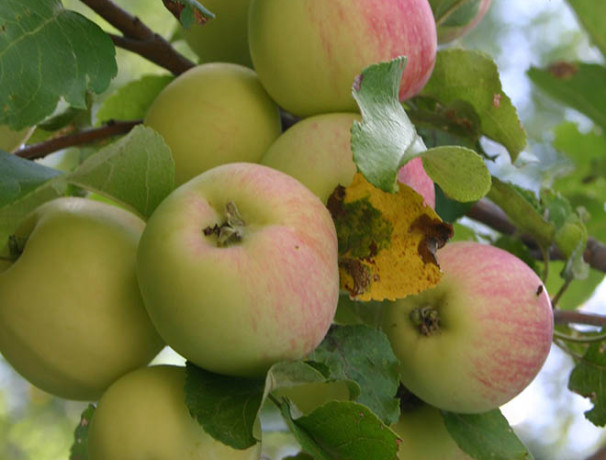
Kerr applecrab represents a cross between two very hardy apples done in the early 50's by Morden Research Station in Manitoba. It is a cultivar propagated by grafting and at the time represented one of the hardiest apples being able to grow in the northern plains and Canada. It was a cross between Dolgo and Haralson. One was more of a species type and the other an apple from Minnesota. These two selections were kind of thought of as large crab apples and used for jelly or sauce. Tart in nature but low in astringency, the Kerr apple was reproduced by seed too and today you see it listed as a wildlife tree. In that form, it is more of a crabapple. Some of the listings by other companies appear to be all over the map in terms of what is the Kerr apple to begin with. But then that is the seedling version of the original way down the road.
Since my introduction to this apple from Lawyers Nursery in the 1990's, I began the process of growing out its seedlings and making selections based on vigor and disease resistance. This turned out for the best as those trees are now heavily fruiting after 20 years of selection. The apples are smaller than the cultivar but equally as useful for sauce and jelly. Ironically Kerr seedlings are low in seeds barely producing one or two seeds per fruit.
The trees are robust hybrid crabs with strong upright and wide spreading branching. One seedling found is very good fresh almost like a mini MacIntosh apple and another is super high in yield with tart fruit rich in antioxidants.
Selection available as scionwood for those interested in its clonal reproduction. Called "Kerr Robusta" it is both good in flavor with lower astringency and extremely high yielding. Scionwood is sent by request in the winter with an order of seeds. The tree may reach over 40 feet tall and wide and is quite a sizable crabapple tree.
To germinate the seeds: Seeds have a single dormancy. Put in a cold moist stratification using lightly damp Canadian peat moss and store at 34F to 39F for 90 to 120 days. Seeds will begin to break dormancy in refrigeration so be prepared to pot immediately to prevent damp off in the peat moss. Or fall plant outside. Seedlings grow quickly and can be planted out after one year.
From 2024 seed year collected in November. Refrigerated.
| Plant Specs | |
| Genus & Species | Malus hybrid. Dolgo and Haralson hybrid crosses grown out several generations. |
| Seed Source | Originally a seedling grown from Lawyer Nursery, Montana. This historical crab apple was for used for the production of seedling trees from Alaska to Minnesota beyond the rootstock tree. |
| Height (ft) | Minus 35 F or more easily. |
| Pollination Requirements | Self fertile. Highly visited by bees. White blossoms. |
| Soil | Sandy loam or sandy soils ideal. Does best in drier soils. |
| Climate | Northern apple. Does best in cold climates. |
| Ease of Cultivation | One of the best selections to develop for hardiness and heavy yields of low astringency crabapple. Probably could be useful for fruit development for flavoring. Easy to grow in non apple areas and likely could be used as a rootstock. Further selection could be done with vigor and overall tree health. My planting was winnowed down to less than 50 percentage of the original as some seedlings were removed due to their overall weakness. This is no longer an issue. |
Growing the Apple from Seed-For the Johnny Appleseed Within This Ecos selection is a ..
$120.00
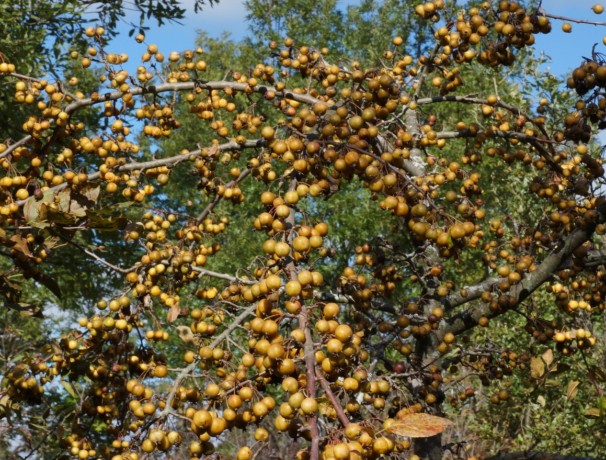
Ranetka is a Malus baccata –Manchurian apple cross which can tolerate extreme cold and short s..
$90.00
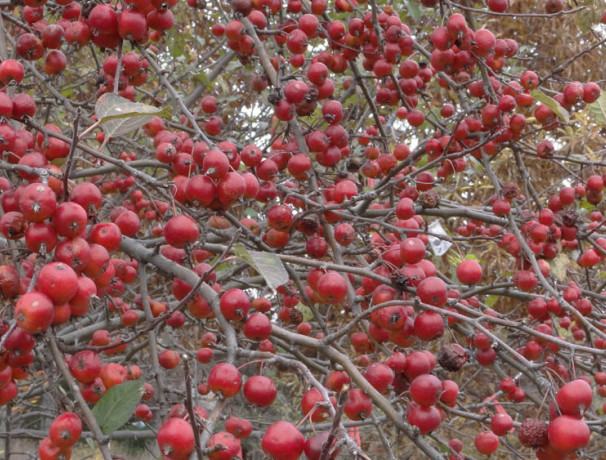
Hewes is a Virginia crab hybrid complex which comes true from seed crabapple. The variat..
$82.00
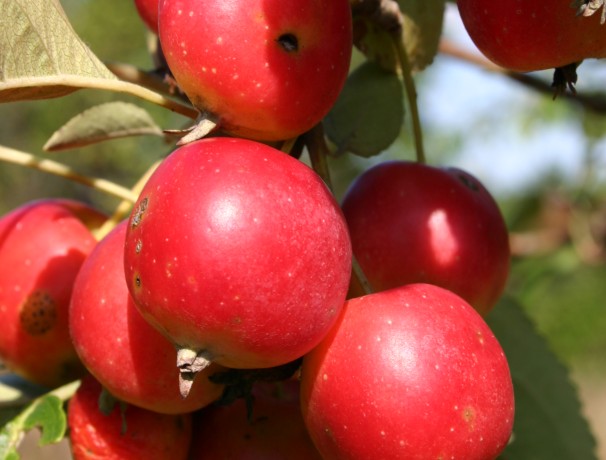
Selected seedling crabapples from our seedling crabapples with very clean foliage and dense cl..
$120.00