
Hewes Crabapple Seeds
| Product | Price | |
|---|---|---|
| 500 Seeds, HECR_S-500 | $82.00 |
|
Seeds-Plant Discoveries-New Crops-Ecological Enrichment Click Here!

| Product | Price | |
|---|---|---|
| 500 Seeds, HECR_S-500 | $82.00 |
|
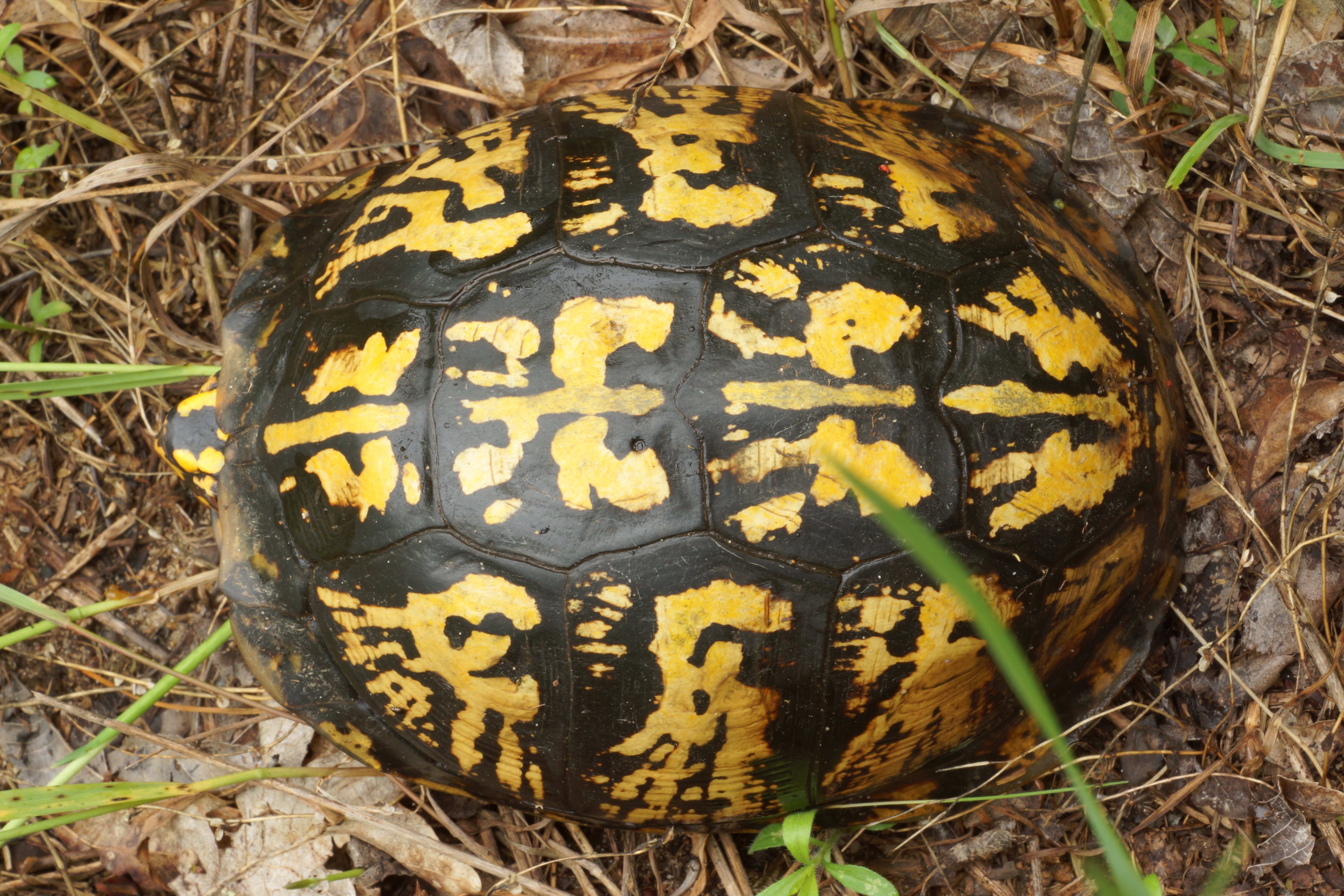
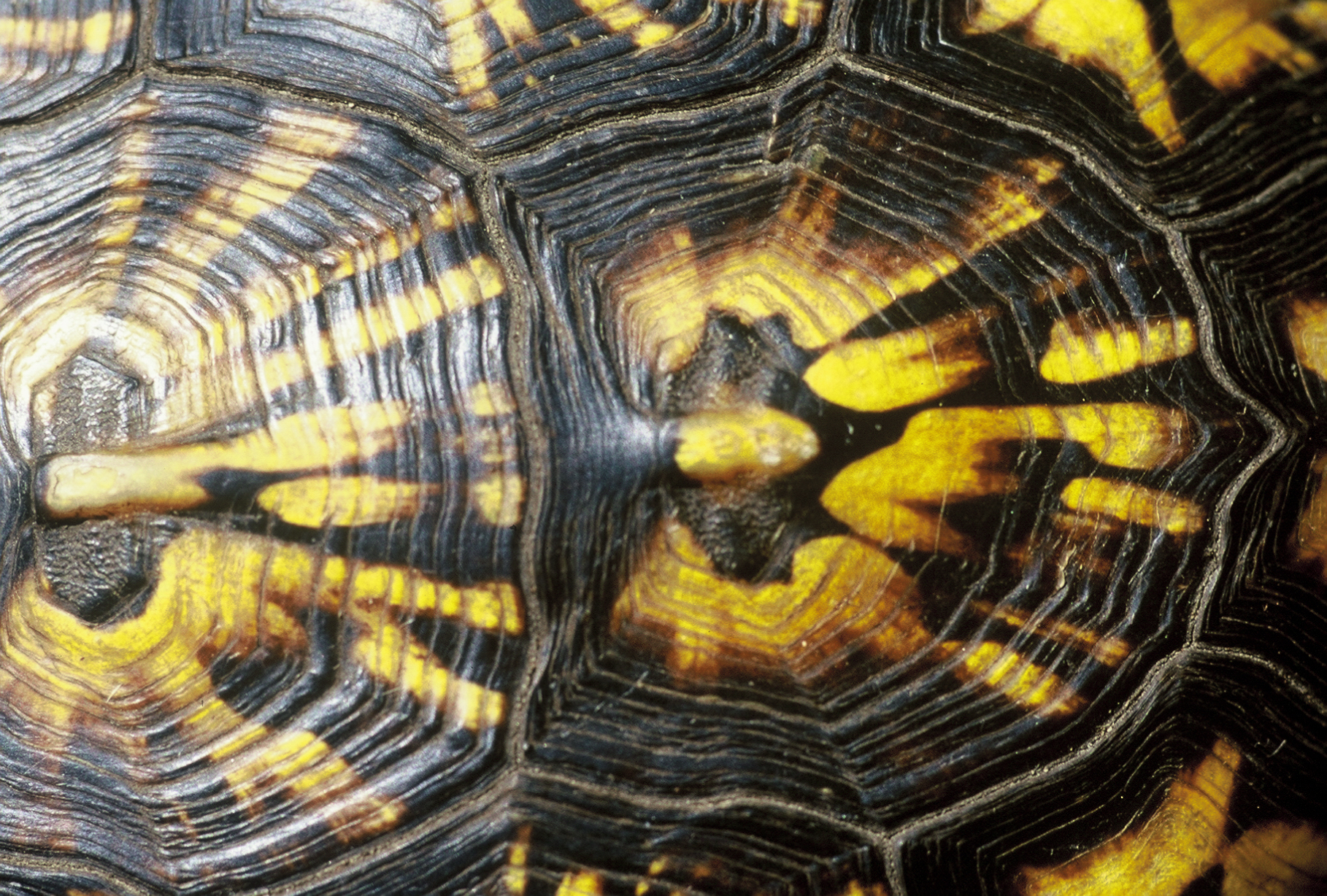
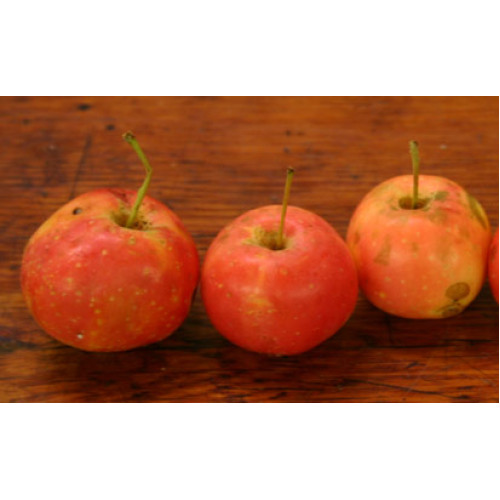
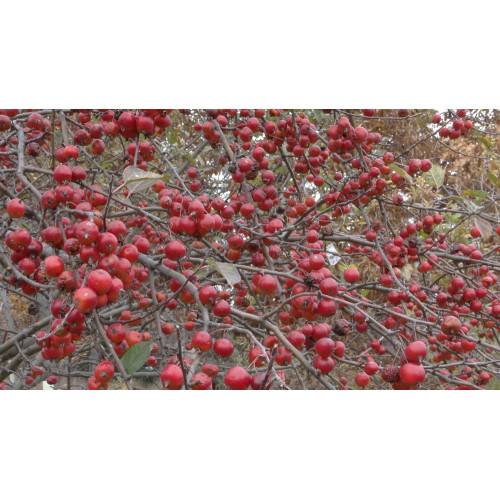
Hewes is a Virginia crab hybrid complex which comes true from seed crabapple. The variation is slight. Hewes creates a one inch bright red crabapple. It is produced in dense clusters all along the branches. The fruit makes a delicious jam. Worthy of propagation from seed, this seedling crabapple is smaller than the grafted clone of it but at the same time is more resistant to disease and insects. I grew out three generations of it at my farm and am naming other selections from this cross. It is one of the few that produce clean foliage throughout the summer and fall. It also grows as a timber like tree with a strong central trunk quite different than most crabapples. If you require scions of the timber form or the original selection, then ask when you order the seeds.
The original grafted Hewes or Hughes as it was labeled was purchased from Edible Landscaping in Afton, Virginia. The tree has flourished at my farm although the fruit yield fluctuates and has insect and disease issues without spray. The leaves of the grafted 'Hewes' are large and very healthy. The fruit is nailed by insects here if a no spray program is employed.
The second generation of seedlings from 'Hewes' that I began producing over 25 years ago generally have smaller fruit about half the size however the fruit quantity and quality without spray is very high with little insect or disease issues. This is likely due to its reversion to more of the Virginia crab that is within it. From seed this tree produces the Ecos selection of the Virginia crab which can be produced from seed without hybridization. Virginia crab is considered a native crabapple to the U.S. although probably it has hybridized over the years. By selecting only seedlings with vigor, fast growth, clean leaves and strong upright growth with good branching, I kept a variety of these seedlings because they were very strong growing even as two year plants. You could easily see these were free of all disease issues. From there two trees produced a third generation of seedlings and I used these in small groups throughout my farm as little clumps of seedling apples. This is a standard type apple and will grow to 40 ft. or more. I limbed many of these up as they had strong vertical dominance.
You can request the scions of the original tree or the second generation of more timber like and large central trunk forms with the purchase of seeds.
To germinate from seed: Fall plant 1/4 inch deep lightly tamping the soil over the seed. Seeds will sprout in the spring. Refrigerator method: Add to a moist media to a zip lock bag making sure the media is not too wet. Sprinkle seeds in the bag and mix thoroughly. Store at 33-38 F for 90-120 days. Seeds will begin to sprout in 90 days or so. These seeds can be plucked out and planted in pots making sure the root is not broken off. Just lightly cover the seed 1/8 inch deep.
Seeds refrigerated from the 2024 crop year.
| Plant Specs | |
| Genus & Species | Malus x virginiana x hybrid and/or angustifolia mixed parentage |
| Seed Source | Michigan |
| Hardiness | -30F |
| Height (ft) | 20-30 |
| Width (ft) | 20-30 |
| Pollination Requirements | Self fertile. |
| Climate | Zones 3-8 |
| Ease of Cultivation | The Hewes apple was a selection from Thomas Jefferson used for cider. The seedlings from this group are easy to grow and quite vigorous and worthy to grow even from seed. The population 'evens out' over time making it useful to find healthy crabapples with strong flavors and interesting combinations not found in modern apples. |
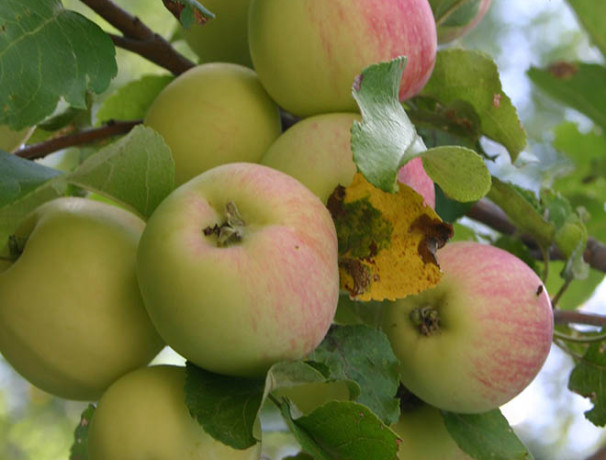
Growing the Apple from Seed-For the Johnny Appleseed Within This Ecos selection is a ..
$120.00
Ranetka is a Malus baccata –Manchurian apple cross which can tolerate extreme cold and short s..
$90.00
Selected seedling crabapples from our seedling crabapples with very clean foliage and dense cl..
$120.00
This species is well known as one of the species complex of modern day apple..
$82.00
Low to No Spray-Organic Production-Long Period of Ripening, Delicious Flavor, Great Cook..
$120.00
Kerr applecrab represents a cross between two very hardy apples done in the early 50's by Morden Res..
$84.00