

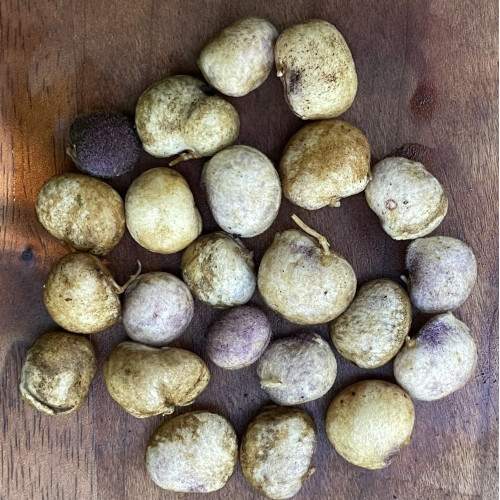
Crispy Snack Hog Peanut Seeds
| Product | Price | |
|---|---|---|
| 400 Seeds-CSHP_S-400 | $120.00 | Out of stock |
Seeds-Plant Discoveries-New Crops-Ecological Enrichment Click Here!

| Product | Price | |
|---|---|---|
| 400 Seeds-CSHP_S-400 | $120.00 | Out of stock |
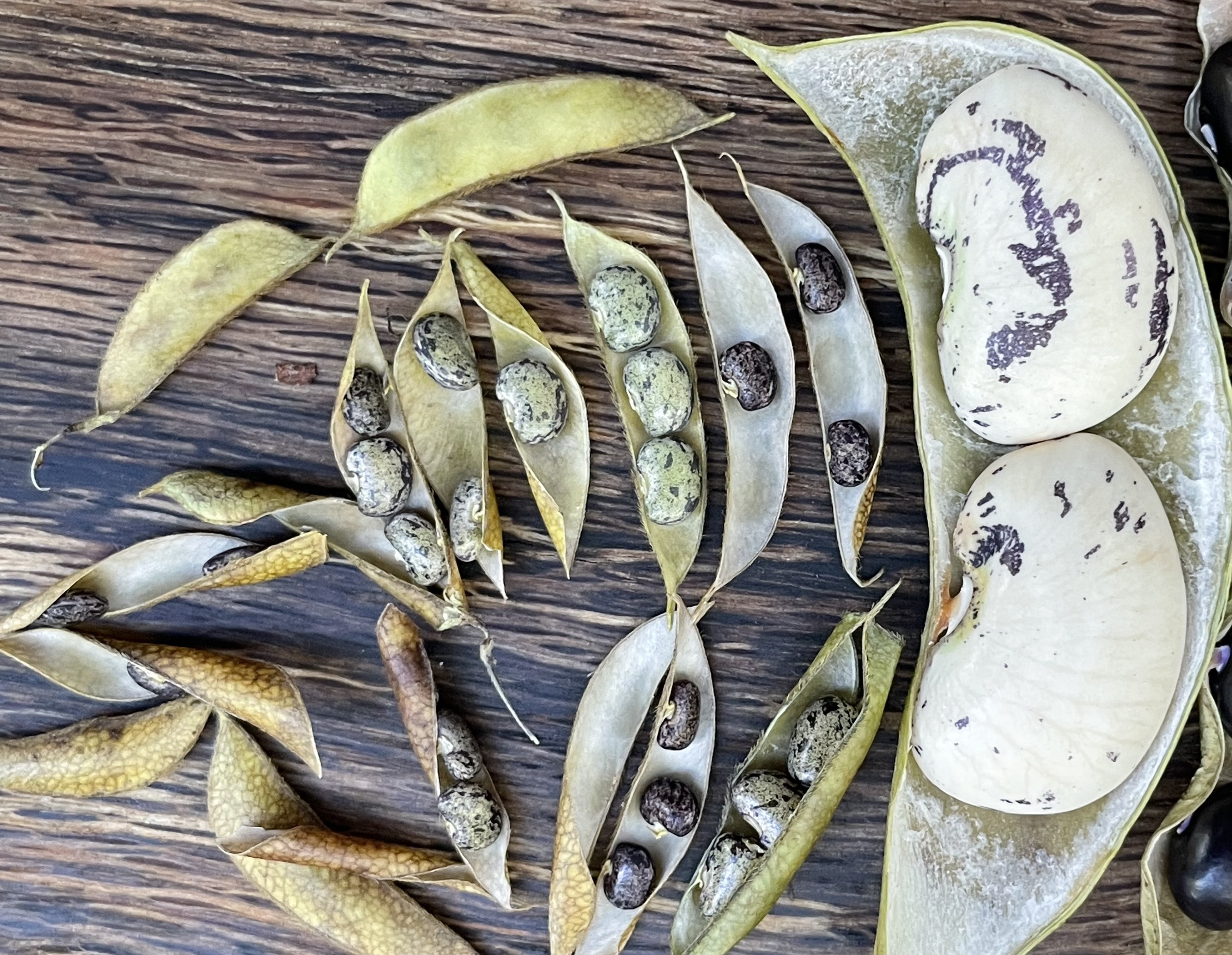
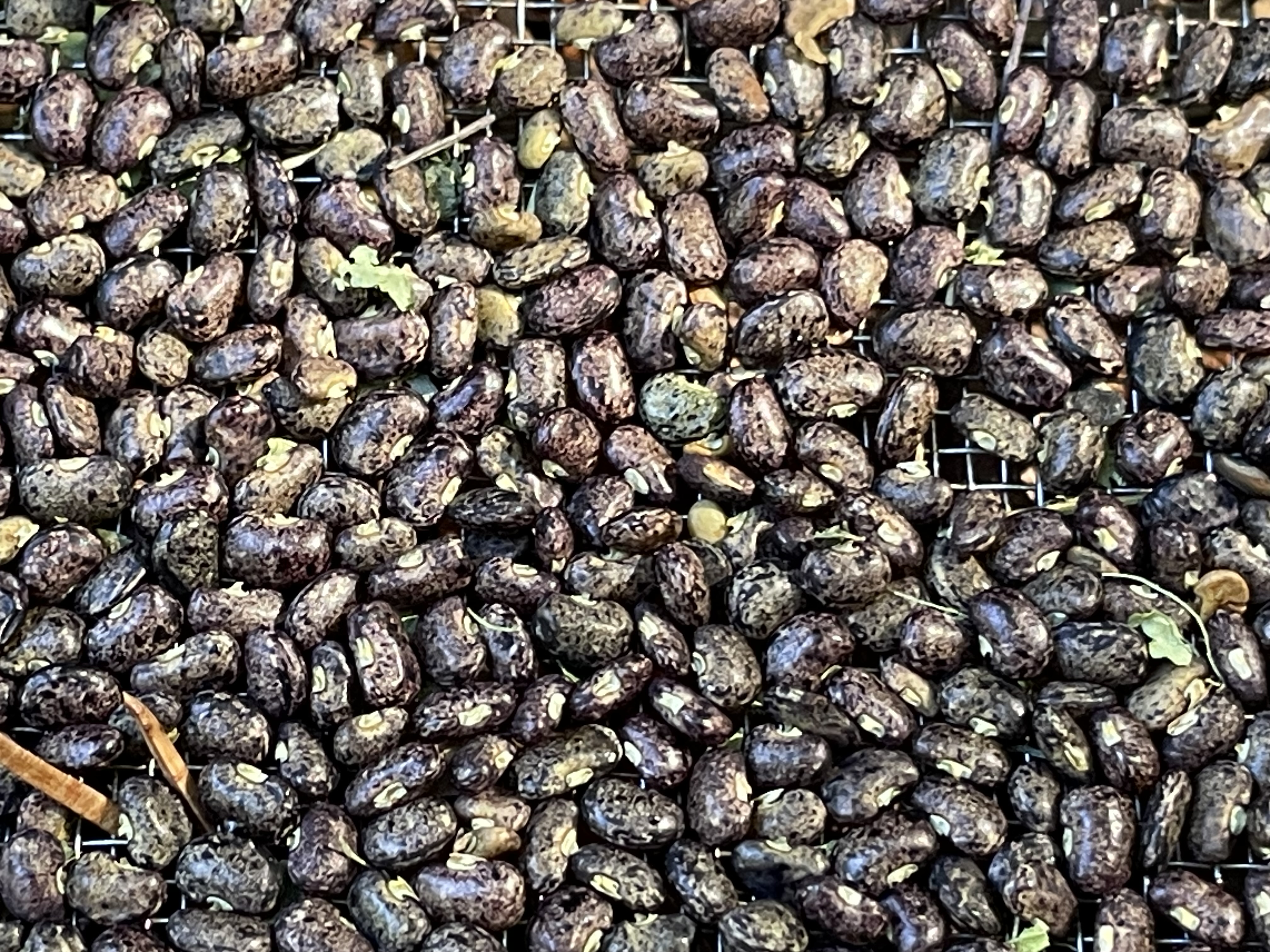

Excellent Nitrogen Fixing Plant For Woody Plants Perfect for Agroforestry Applications; High Protein Seed Crop: Delicious Edible Bean-like Tuber for Humans
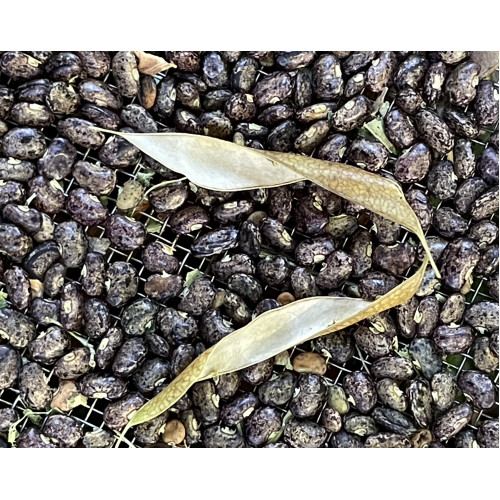
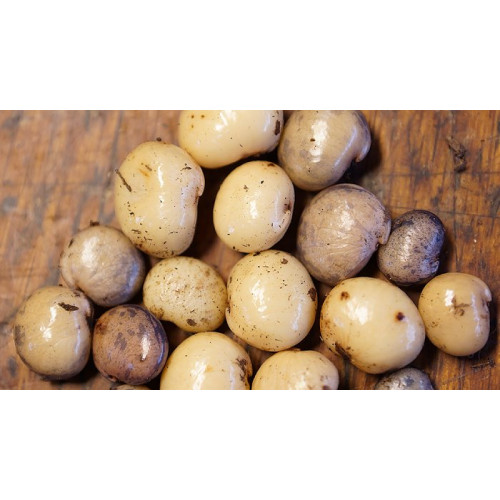
Crispy Snack is a selected hog peanut variety known for its delicious tubers, robust growth and higher tuber and seed yields. It was originally winnowed out from seedlings on my farm and other northern Michigan selections all found isolated in the wild. Unlike other wild selections, the tubers are much larger and the yields of the seeds are far higher than random seedlings. Cultivation is kind to hog peanut and is easy to do. Almost no research has been done on comparing seed sources or creating varieties. Crispy Snack is the first selection done specifically to help propel this species into a food crop. Although considered a weed by some, it is the weed that we need as a perennial form of protein without massive breeding or GMO. Those methods are insufficient and useless to the hog peanut. It already has what we need most. High nutrition and healthy food.
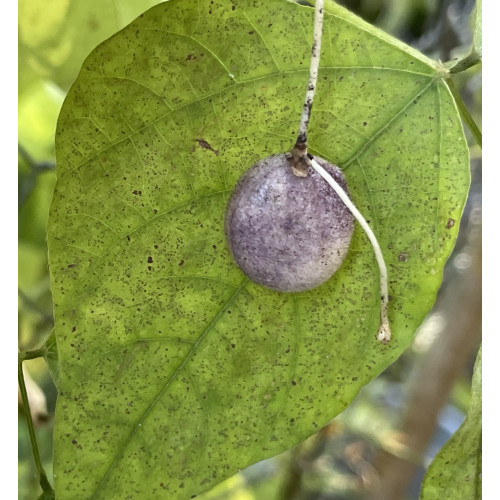
This species is considered the shade form of the hog peanut although it can easily grow in full sun. It is extremely productive and could be the beginning of a high nitrogen crop that also has a strong edible component to it. Compared to others I have grown, 'Crispy Snack' is more productive with larger tubers nearly twice that of others. The bean sized tubers are produced on a small rhizome root thread that grows close to the ground and self roots as it goes along. They will produce a flower if enough light is available and then a few small beans in a pod that twists open and ejects the seeds. The underground peanut like beans are high in protein and are hard to find in the soil due to their sticky outer covering. As a result I have resulted to growing them in raised beds designed to protect them from rodents and make it easier to find in a poly bag once established. I have also found growing them on a landscape fabric works well and will allow the plants to flourish despite low amounts of soil over the top of them. Once established this plant grows prolifically in many locations from pure shade to pure sun. Only a few tubers or seeds are needed and once established it will spread given the right growing conditions especially soil that has little vegetative cover. It is a very good secondary crop or nitrogen fixing crop for tree crop and orchards that want a nitrogen fixing legume helping the trees increase production of fruits and nuts. The plants need open areas with relatively infertile soil to thrive. It is found in woodlands, but the yields are very low in those conditions.
How To Germinate the Seeds and to Improve Yields
Lightly sand the seeds to help break down the seed to allow water to penetrate the seeds easily. Put in a lightly moist media for 30 days in a refrigerator which will help unify sprouting. Or do the sprout method often done with hard to germinate annuals which is: put them in a moist paper towel changing every few days to prevent mold. As they sprout pluck out the sprouted ones and plant barely covering the surface of the seeds. The seeds are slow to germinate in the wild and it is thought that both dormancy and a tough seed coat delays germination over the course of two years. You can avoid this by using the scarification methods between two sponge sanding block or flat medium grit sand paper to help speed the process along. Germination is quick like beans.
On increasing yields: There are certain species of bacteria that fix themselves to the hog peanut plants which makes them grow clusters of the peanuts together in bunches. I use nitrogen fixing bacteria used for other beans, peas or other similar genus to recreate this clustering and higher yielding effect. One that worked for me was Nitrix which doubled the yields of tubers and seeds. Make sure to use a trellis or a cone of 4 foot chicken wire. This greatly improves yields.
Currently in processing for 2025-2026. Should be finished by the first week in January. Inventory will be posted then.
| Plant Specs | |
| Genus & Species | Amphicarpaea bracteata |
| Seed Source | Michigan |
| Hardiness | -30 F |
| Height (ft) | 3-5 ft if on a trellis. Can grow much taller than what you see in the wild. |
| Width (ft) | 1-2 ft. wide |
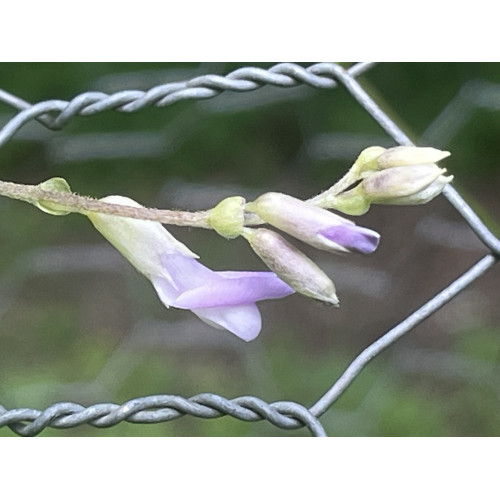
| Pollination Requirements | Self fertile. Produces beans from lavender tubular flowers from bumblebees and other pollinators. |
| Soil | Woodsy high organic rich soil is best for yields. Does well under irrigation in dry sandy soils. |
| Climate | Zones 3-7. Unknown how far south it can grow but likely to zone 9. |
| Ease of Cultivation | Super easy to produce. Harvesting tubers is tricky and you may need to produce them in a container to get the best in production and make it easier for you to harvest whether that is on landscape fabric, plastic pot or woven poly bag of some sort. The tubers are produced all along a long root and are not the easiest thing to find if 'out in the wild'. Sometimes voles will cache them and you may hit the jackpot if you find a bunch. Yields of tubers are usually low overall but can be increased with a general bean innoculant and high density plantings where you retain large portions of the crops before harvesting letting them increase for 3-5 years before harvesting regularly. I have had good results with Nitrix innoculant for both bean and tuber yields. |
"Dear Number One" SELECTED Jerusalem Artichoke variety FOR DEER BROWSE RESISTANCE AND HE..
$140.00
Selected deer resistant small rooted with heavy rhizome production. Impossible to get rid of in the ..
$140.00