

Northern American Persimmon Seeds
| Product | Price | |
|---|---|---|
| 1 Pound, NAPE-S-1 lb. | $142.00 |
|
| 50 lbs. NAPE_50#-Ask. | $5,520.00 | Out of stock |
Seeds-Plant Discoveries-New Crops-Ecological Enrichment Click Here!

| Product | Price | |
|---|---|---|
| 1 Pound, NAPE-S-1 lb. | $142.00 |
|
| 50 lbs. NAPE_50#-Ask. | $5,520.00 | Out of stock |
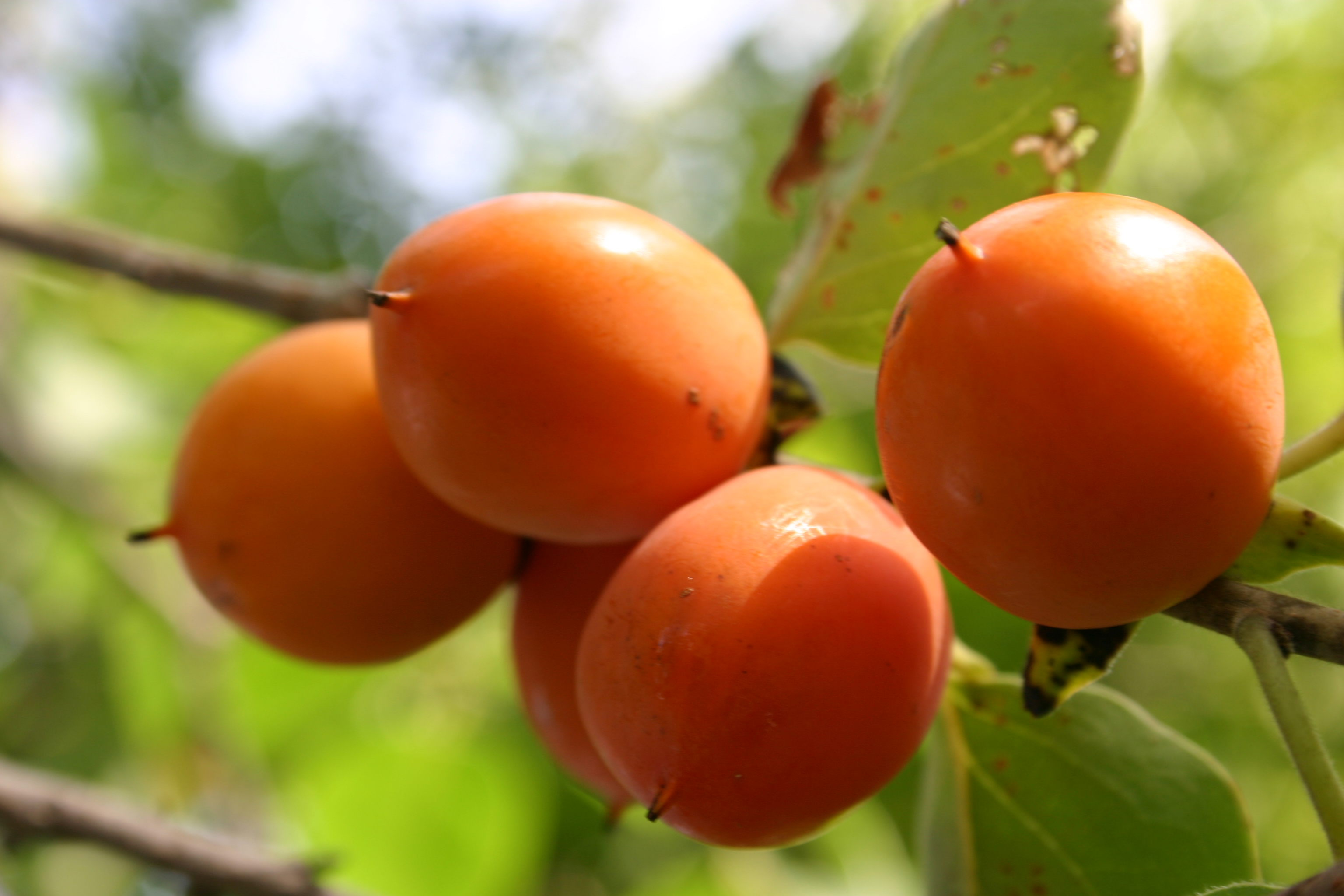
Most Northern of All American Persimmon Seed Sources: Selected For Heavy Production of Fruit and Early Ripening
Easy To Grow From Seed: Direct Seed or Seedling
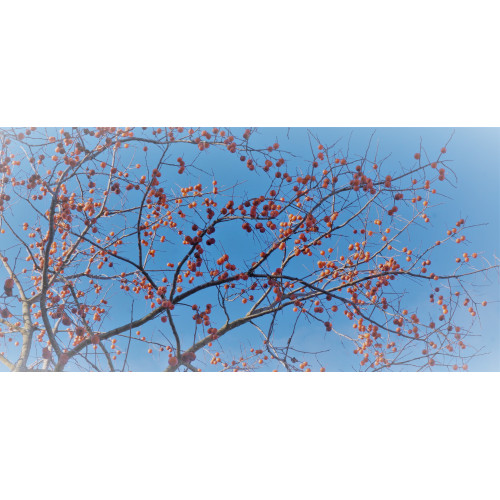
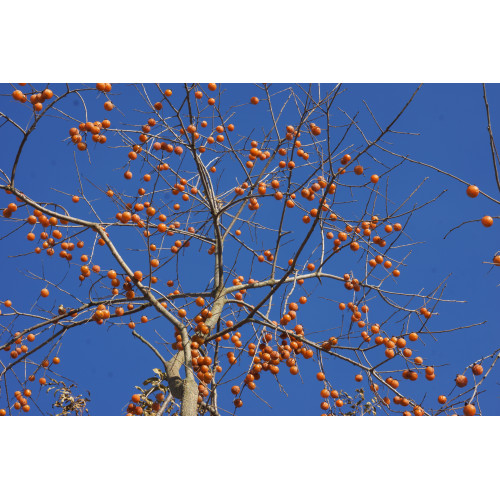
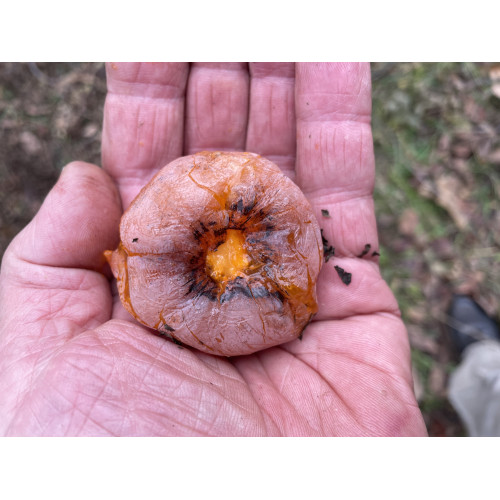
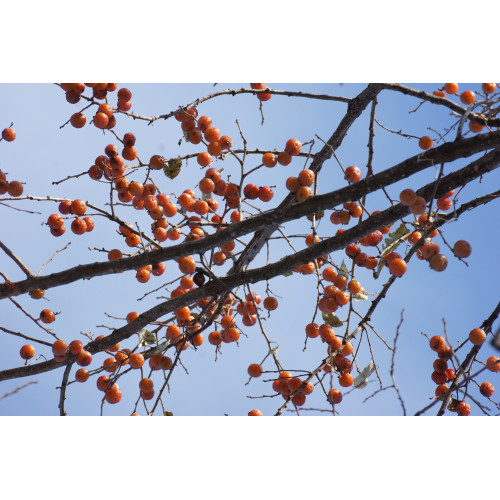
This is the most northern of the seed strains in the United States. Starting in the mid-1980's I began to grow out seedling trees for both retail and wholesale use as a conservation tree. I was not aware of its cultivation in Michigan at the time but soon found out that some seed sources were very robust and winter hardy. I expanded the plantings surrounding my farm to create a seed source specifically for my short season area which is 200 plus miles north of the most northern stands of wild trees. This turned out to be a good idea as most of the seedlings flourished here and began producing fruit in great abundance. The trees have taken a low of minus 27F in 2019 and likely can grow into zone 4 without winter damage. Persimmon trees are easy to propagate from seeds and can be direct planted in a garden in the fall or stored using a moist media in the fridge which will give them the dormancy to germinate in the spring.
The ECOS strain was developed using grafted trees in other plantings in Illinois from the following varieties: Early Golden, John Rick, Yates, Killen, Beaver, Pipher, Morris Burton and others. I also used cannery waste from the Dymples Delight factory for a while. The seedlings were planted out over the course of a decade spaced only 5-10 ft. apart in a row that extended about 2000 feet. The plants were limbed as they grew. They were never sprayed. The fruit was never damaged by bugs or disease. Each of the plantings I did was a surprise in that there were no bad trees. I currently harvest from trees that ripen in September and October.
Because of the cloudy and cool location in southwestern Michigan about 30 miles from Lake Michigan it is far more northern and far more short season than all the other so called short season varieties. My planting consists of roughly 50 percent female and male trees. Male trees can be grafted over to females to make it more like an orchard if you want. The flowering takes roughly 5-10 years from seedling. Heavy production begins at 15 years or so. Trees fruit when they reach anywhere from 8 to 15 ft tall on average.
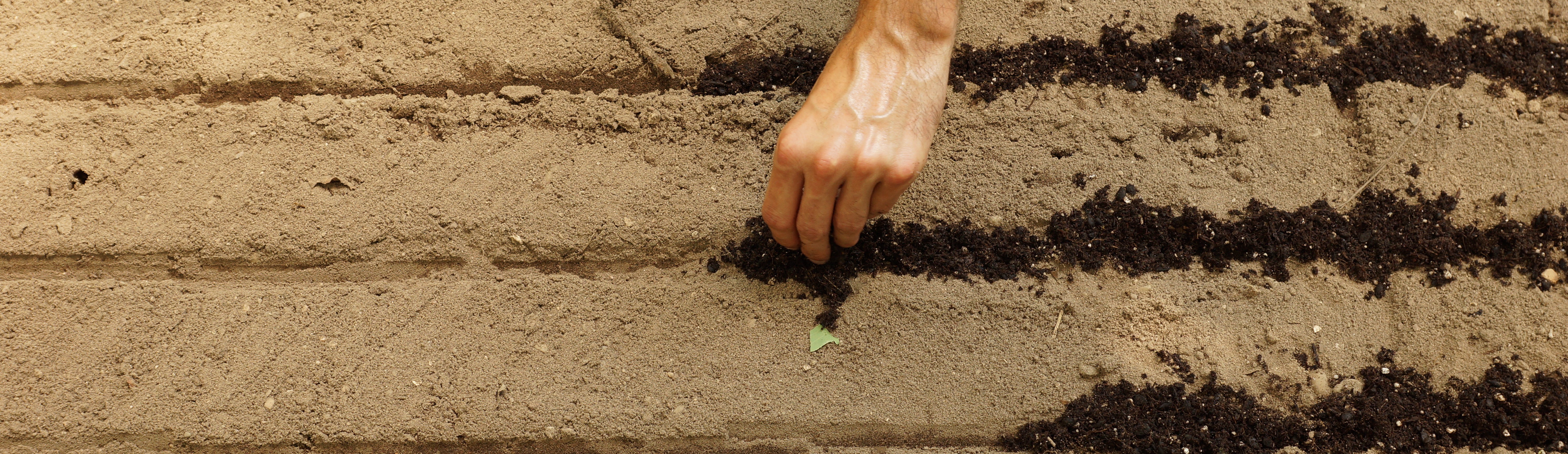
Here is how to germinate: Plant outside in the fall 1 inch deep in sandy soil. Full sun is fine. Fairly competitive against grass and can be sown like beans in drills 6 inches apart. Plunk a couple of seeds per hole. Very easy. Seeds sprout late roughly in late May here and they rarely get frost damage. Seedlings are frost resistant as well.
For the refrigerator method: Store in the fridge 33-38 F in lightly moist Canadian Peat Moss for 90-120 days, then put at room temperaPriceture. Seeds will then start sprouting from 7-30 days. Do not let the seeds dry out in this process. Rarely will they rot in the plastic bag but at the same time do not flood the media with water. Germination is slow but sure with this species and you can direct plant the sprouted ones outside if you want. Rarely will rodents bother them.
Price includes shipping for both the packet and pound sizes.
More information if you need it:
1000 seeds roughly per pound depending on the seed selection. Seeds are currently being gathered in great number in fall of 2025. Processing persimmon seed even with a seed processor takes time to do it right. By the third spin over a week time period, the fruit is clean enough to prevent mold and fermentation in storage. Many of the commercial seed houses appear to have low quality seed from what others have told me. This is often due to the alcohol produced by the fruit either on the ground or in a collectors tub somewhere. This kills the embryo very quickly. Another aspect often not addressed is the southern seed sources which are not winter hardy in Michigan. For instance, I grew Missouri origin seeds all of which died to the ground after each winter. And you wonder why you only got 10 percent germination? Since it is a wild crop and in fairly good abundance some years, the cost of the seeds for commercial use in nurseries is often very low and hasn't changed much since the mid 1980's. This highlights the importance of creating new seed sources under cultivation and to make it profitable to the farmer who decides to produce woody plant seeds. Wild trees in a known location also can be very valuable seed sources if people recognize them. Not too long ago, someone pointed out a fairly large persimmon tree in a wetland here in southwestern Michigan.
| Plant Specs | |
| Genus & Species | Diospyros virginiana |
| Seed Source | Michigan-Seedlings were grown from Killen, John Rick, Beaver, Morris Burton, Early Golden, Pipher over 30 years ago. All open pollinated from these hardy wild selections from the northern range. A wide variety of seeds collected directly from the planting. |
| Hardiness | -27F or more. |
| Height (ft) | 60 |
| Width (ft) | 30-60 |
| Pollination Requirements | Male and female on separate trees-50-50 mix of male and female trees grown from seed. It is not true there is 70 percent males in a population. |
| Soil | Amazingly diverse soils and this plant is quite vigorous in them all. Sand, loam, clay, alkaline or acidic. |
| Climate | Zone 5-9 |
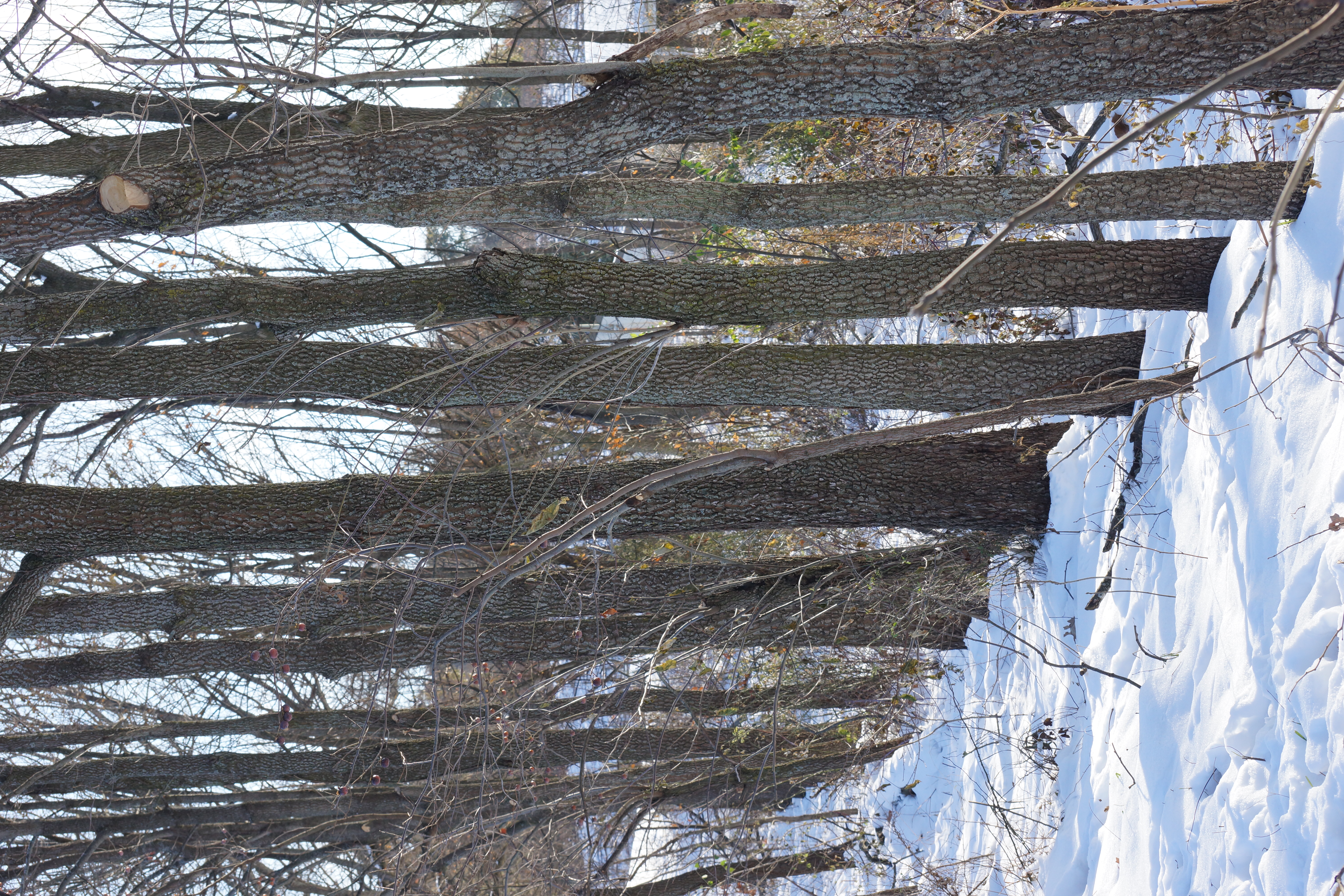
| Ease of Cultivation | Very easy to establish in open fields with direct seeding or seedling. If trees are cut down by accident they will resprout from the root collar. Each tree is either a male or female tree. You do need both for fruit but male trees can be grafted over if you decide to make the planting more as a fruit orchard. American persimmon is easy to graft. Seedlings provide an avenue to harvest a wild fruit that is very good as a seedling. It offers the best of the wild world in a quasi cultivated environment. No insects destroy the fruit. The trees live a long time and can reach up to 3 feet in diameter. |
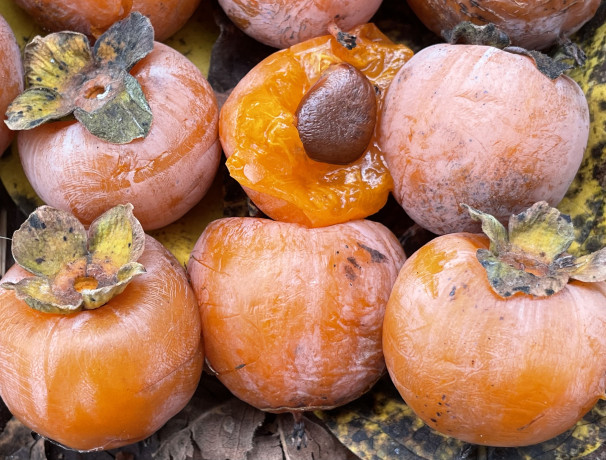
One Seed Per Fruit-Low seeded American Persimmon-Early Ripening-Michigan Selection-Small fruit-One i..
$120.00
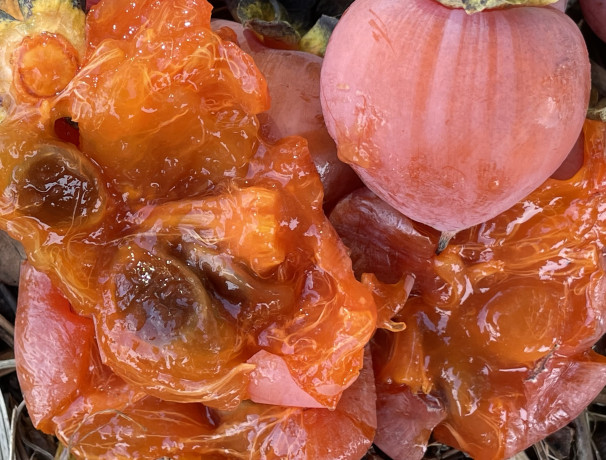
Super Smooth Texture-Very Sweet-Large Fruit-Low Seed Number-Early Ripening-Long Even RipeningSugar C..
$120.00

Firm fruit, low seed count and no astringency even when picked from the tree, “Oranges” is a ..
$140.00