
Rose Mallow Hibiscus Seeds
| Product | Price | |
|---|---|---|
| 1000 seeds, RMHS_1000-S | $92.00 |
|
Seeds-Plant Discoveries-New Crops-Ecological Enrichment Click Here!

| Product | Price | |
|---|---|---|
| 1000 seeds, RMHS_1000-S | $92.00 |
|
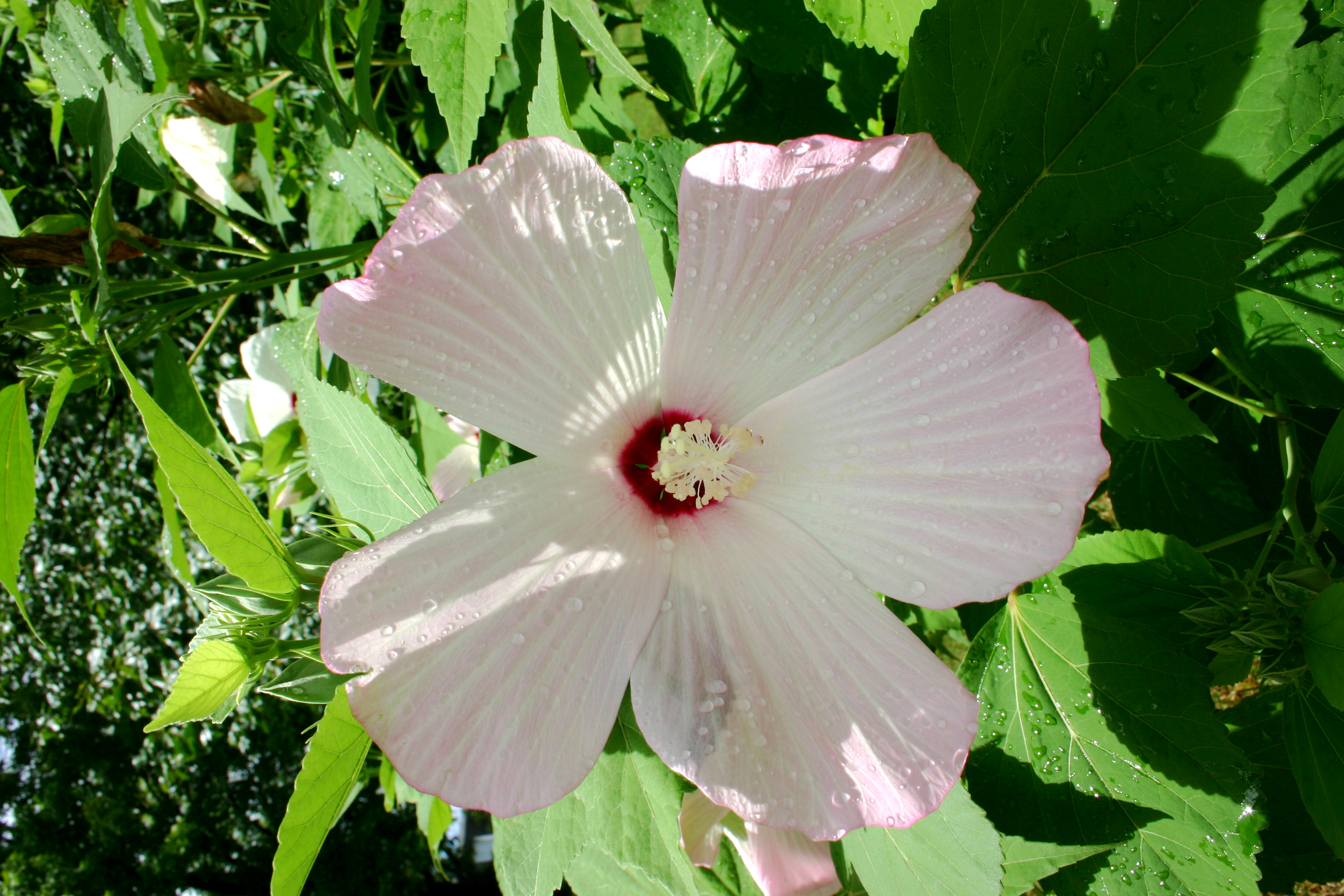

Selected for heavy flower and seed production for oil used in cosmetics. Long lived perennial can grow in dry soil without irrigation.
Perennial non hybrid plant, rose mallow is the furry leaf species grown for its flowers usually as an ornamental. Today the market of patented very beautiful smooth leaf and often low or no seeded forms dominate the hibisicus market. Rose mallow is not so much available anymore. I only see the patented forms at the big box stores and none of the indigenous mallows. The problem is other species are not long lived because of their propensity to grow in wetland conditions. When dropped into a urban landscape, those plants are short lived usually. Rose Mallow is not a wetland species.
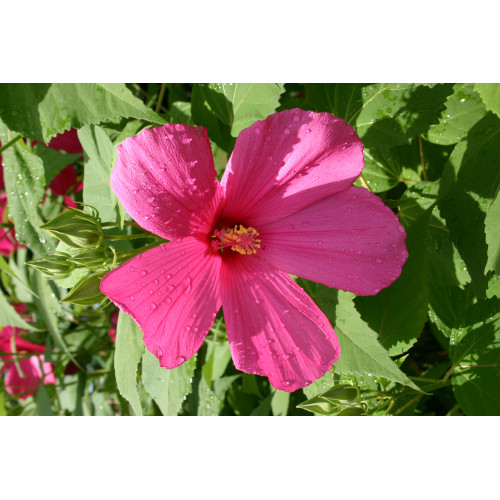
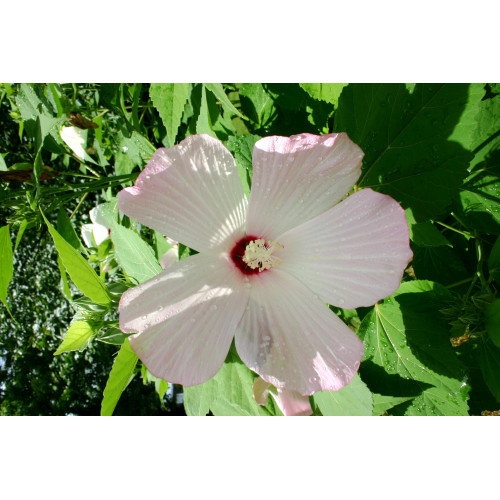
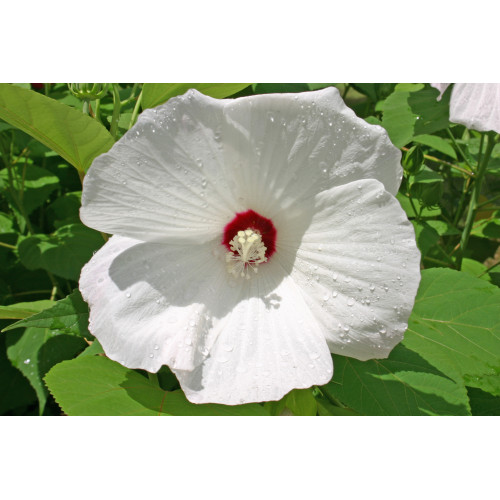
Rose mallow represents the older varieties before hybridization and selection. It is the most drought tolerant and durable of the hibiscus. You sometimes will notice the failure of the new cultivated varieties which require water during droughts. Rose mallow sails through drought because of its deep roots and hairy leaves. It also is a great pollinator plant and attracts all sorts of butterflies and bees. The large 3-4 inch flowers are mixed in this batch of white, pink and red. All are from the same seed source which was part of a landscape planted many years ago from saved seed from a nearby gardener. The mallow family is rich in health benefits and this is just one. Hibiscus sabadariffa is the annual species used today for oil production. It is used for hair restoration and skin care products. This could be a potential perennial substitute. The density of the roots, drought resistance, natural deer repellantcy and pollenator plant. the rose mallow does it all.
The seeds germinate easy. Plant in the spring 1/4 inch deep and keep watered. Most come up the first year. A few seeds repel water and come up in the second year as bacterial action breaks down the seed coat. It takes three years from seed to see the flowers and were grown in very poor soil under neglect. Yet they still came through in flying colors.
| Plant Specs | |
| Genus & Species | Hibiscus lasiocarpos |
| Seed Source | Michigan-Selected from a stand over 30 years old in dry uncared for soil. |
| Hardiness | -25F or more |
| Height (ft) | 2-4 ft. tall and wide. |
| Soil | The only Hibisicus species (not the ornamental selections) long lived in dry soils. |
| Climate | Tolerant to heat and drought. Generally found as a midwestern plant in a wide range from Illinois to Florida |
| Ease of Cultivation | Easy to grow and long lived under cultivation. The other Malva and Hibiscus plants we tested at the farm were not usually long lived unless under irrigation. This species came through in flying colors and was the highest yielding seed variety. The others faded very quickly or had very low yields of seeds. Like Althea, people love the flowers and it is a universal flower recognized by all. |

'Treefolia' -Selected northern seed strain of a well known forage plant that ripens seeds in a short..
$68.00