

Resilient Chinquapin Chestnut
| Product | Price | |
|---|---|---|
| 100 Seeds, RECQ_S | $140.00 | Out of stock |
| SCCU_1-2 Varietal Scionwood (2) selections | $120.00 | Out of stock |
Seeds-Plant Discoveries-New Crops-Ecological Enrichment Click Here!

| Product | Price | |
|---|---|---|
| 100 Seeds, RECQ_S | $140.00 | Out of stock |
| SCCU_1-2 Varietal Scionwood (2) selections | $120.00 | Out of stock |
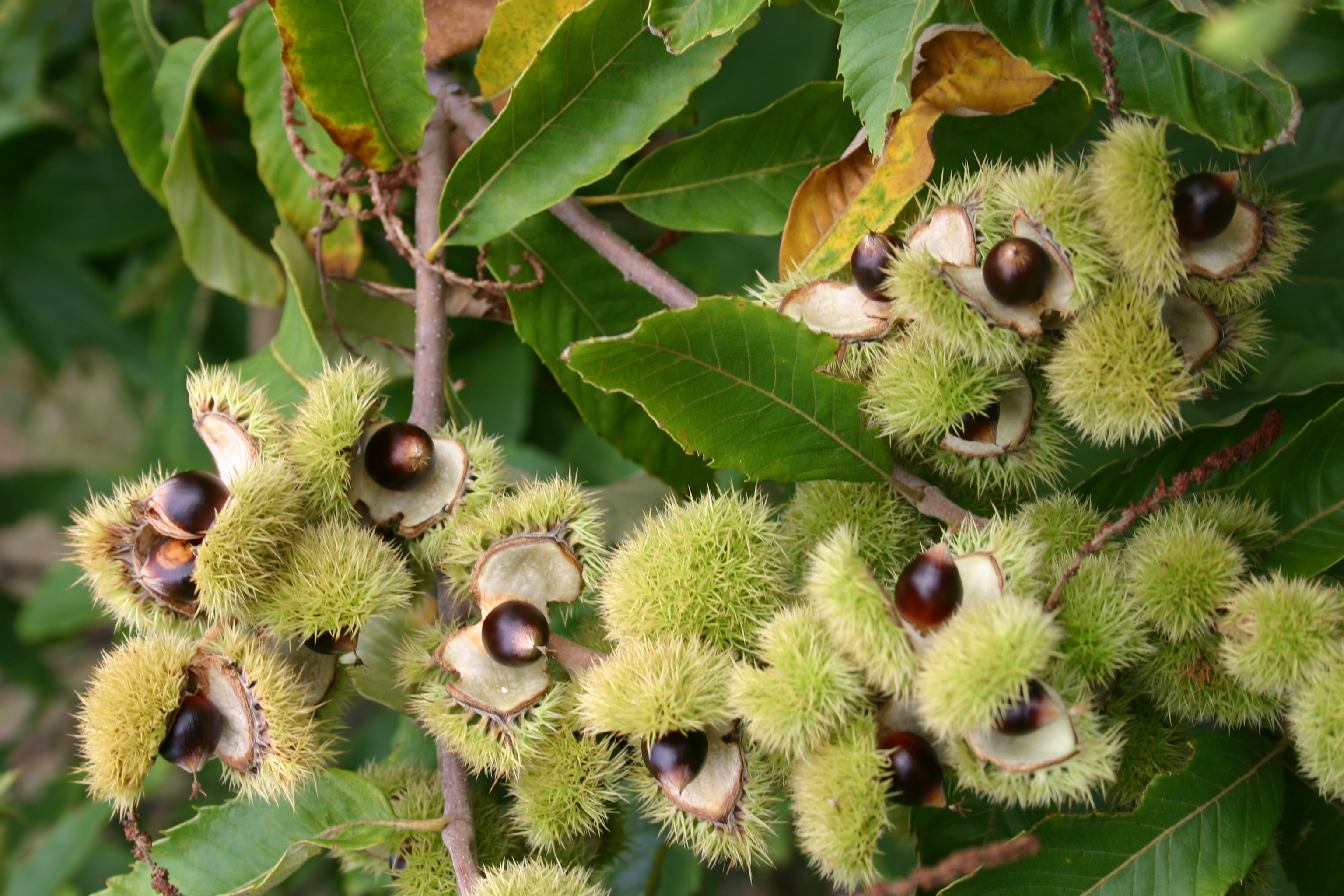
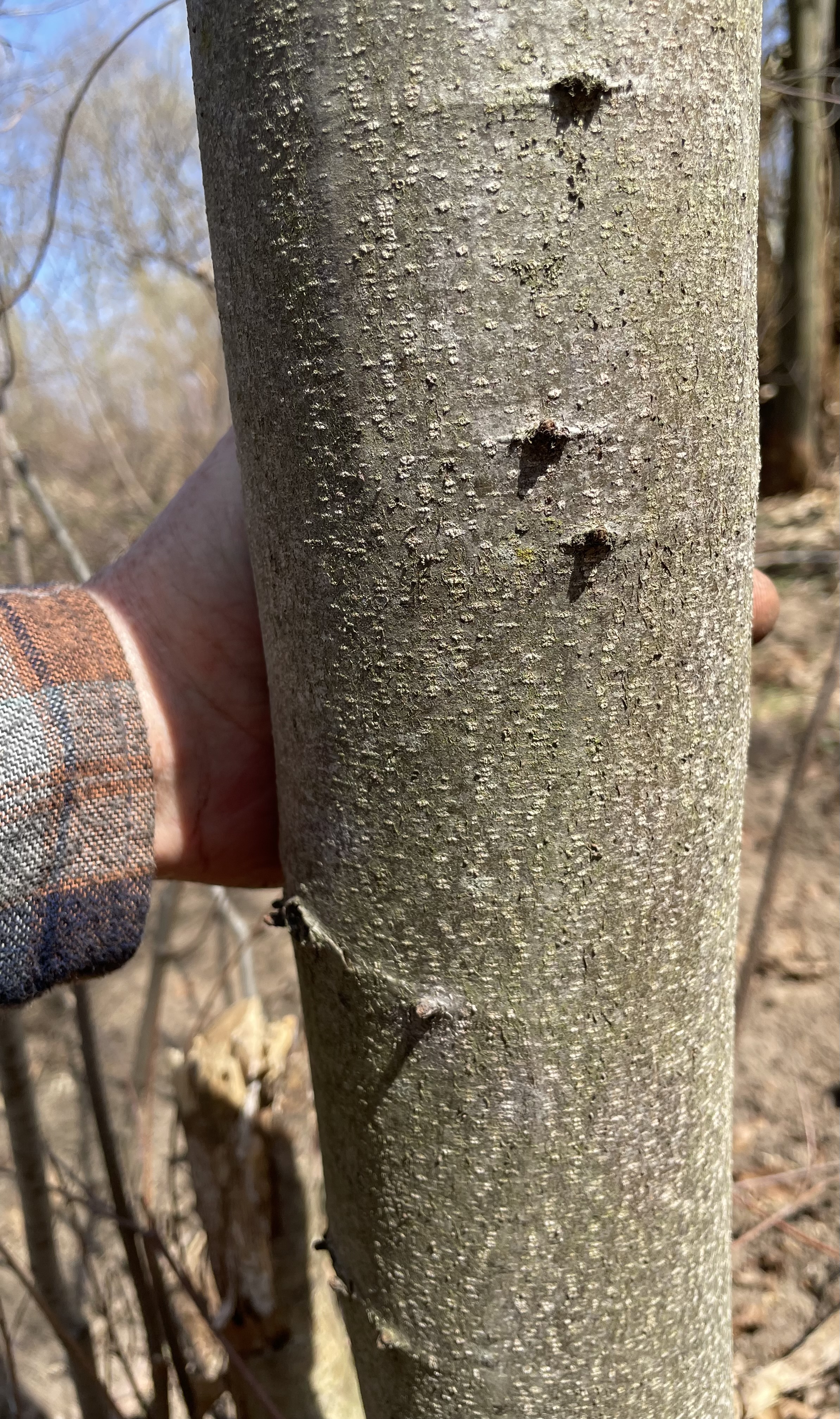

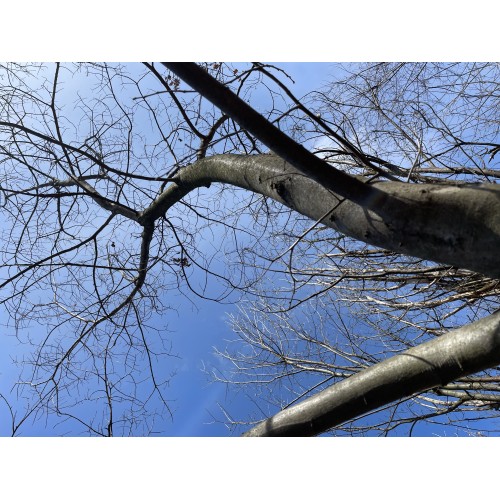
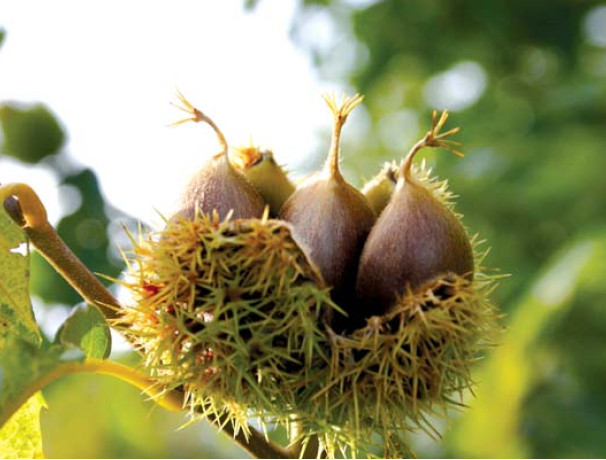
Resilient is the most vigorous selection of chinquapin chestnut showing natural immunity to chestnut blight even on the largest of canes. It tends towards producing larger canes free of chestnut blight having nearly the double the caliper of other nearby seedlings. Chestnut blight is much less likely to attack the stems and weaken the plant. Resilient chinquapin is not a hybrid and is more tree like than other seedlings. Its bark is smooth. No blight has been found on the trunk for over 25 years. The branches of Resilient are rarely damaged and appear not to shed due to over yielding like some seedlings do. This shedding is done as the tree matures which forces more growth into the dominant limbs. Although not entirely immune to chestnut blight, it appears this is one of the most resistant seedlings from the groupings I have at my farm. One of its seedlings also has this same growth habit and good resistance to blight for over a decade despite having blight in many nearby American hybrid chestnuts.
This variety can be grown from grafting. Grafts onto Chinese chestnut is the best rootstock to use. Seedlings from it may also show excellent resistance but not enough is known on a population level yet. Small nuts ripen starting in mid August. Seeds need to be planted immediately for propagation. Roots emerge without dormancy. Yields are heavy. Cross pollination is needed with another chinquapin chestnut otherwise no nuts will form. Any seedling chinquapin will work for cross pollination but not another species. Tree can be managed as a shrub while replacing diseased canes with new sprouts near the base similar to a lilac bush. Removing old canes improves the yields of the plants over time as the root system grows. Natural seeding occurs with this species. It happens surrounding the shrubs when the nuts hit the ground and are pushed into the soil by deer or humans harvesting.
A population could be created from this seed strain beyond grafting. Seedlings from this group appear to have a similar trunk characteristic but more need to be grown to see what the outcome would be on a larger scale.
| Plant Specs | |
| Genus & Species | Castanea pumila |
| Seed Source | Michigan seedling from Ohio originallty cultivated |
| Hardiness | Minus 20F |
| Height (ft) | 15 feet plus with equal width. A taller selection with strong central trunks. |
| Pollination Requirements | You need two plants. Any additional seedling will pollinate it including seedlings from Resilient. Any two genetically different plants is required but not hybrids. Pumila flowers at a different time here and you need something in the same flowering window of opportunity. |
| Ease of Cultivation | Requires full sun and an exposed sandy or well drained soil. Adaptible to a wide range of soils in mixed soils. Takes roughly 3-6 years to fruit from seed. It is possible to develop heavier fruting types by selecting from precocious plants. Easy to establish by direct seeding after harvest. Plant will produce a thick tap root within the first year. This root allows browsing to occur without weakening the plant as it just resprouts quickly. Plants need pruning to remove diseased canes every decade or so. This increases sprouting and yields. Resilient has resistance but is not immune and develops larger caliper sprouts and cleaner trunks free of blight cankers. |
Dwarf Shrub Species of ChestnutShrub species of chestnut found throughout eastern North ..
$120.00
This high yielding hybrid selection of chinquapin combines the dwarf stature..
$0.00