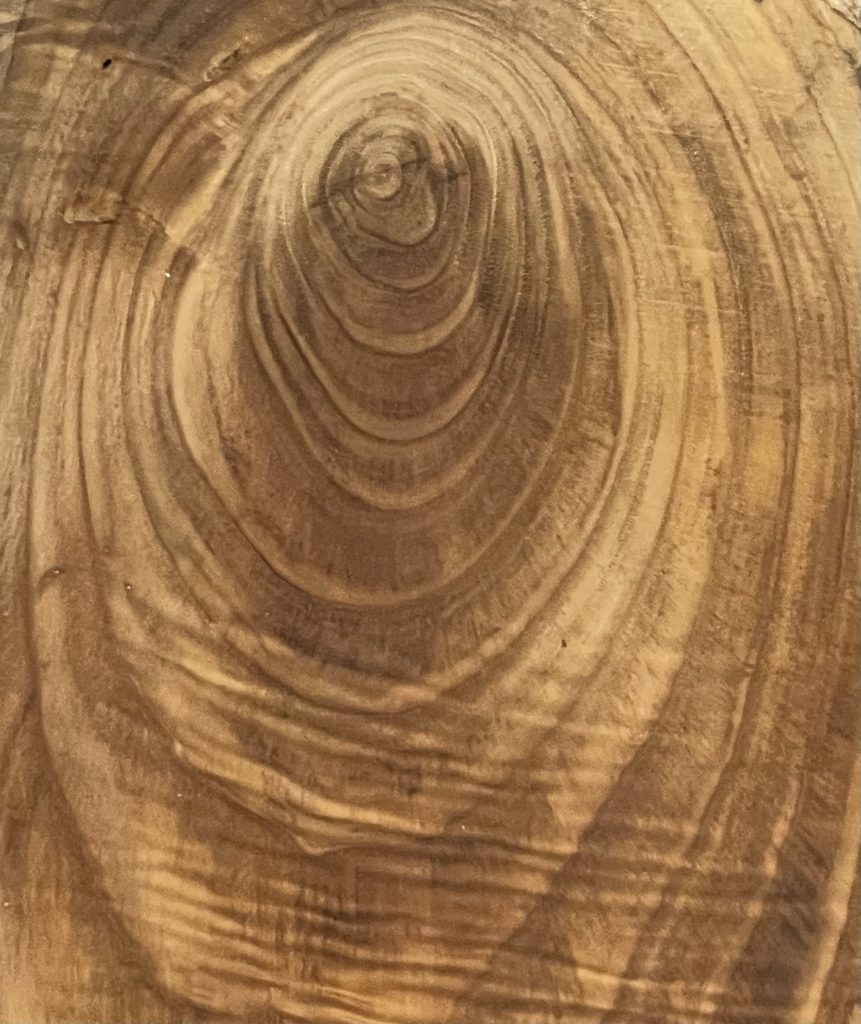
For the first time in a long, long time wood tables made exclusively with harvested hybrid American chestnut wood will be available at the Oikos Tree Crops farm direct. Currently slated for November release, I am busy as a beaver trying to make use of a crop of wood which was harvested over a decade ago by a fellow farmer at my farm. The trees were cut, milled and stored in my garage until after my nursery closed, I began the process of transforming this wood including my work space into a place (chestnut shrine) where I can become one with the wood so to speak. In the meantime, the chestnut wood is being combined with other woods-trees that I grew at the farm and then harvested for legs for the tables. All were chaotically stored in the top of my barn until July of this year, I began the process of cleaning out the attic. This collection contains many fruit wood species, hybrid oaks and hybrid pecans all of which will add to the art I am creating. The finishes will mostly be tung oil grown in the U.S.A. sold by a company Sutherland Welles, Ltd. Tung oil was an important tree crop in the U.S.A. and was improved upon by the U.S.D.A. Now with improved yielding selections, it is now making a comeback. Enjoy.
Castanea dentata x mollissima
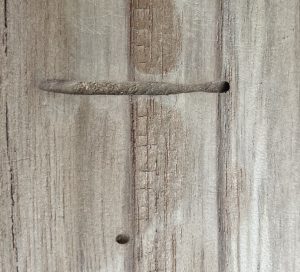
Today American chestnut wood is only available from sellers who purchase it from old homes and barns and then mill it again. It is sold as reclaimed and according to one seller has a 20-40 percent loss when purchasing the raw lumber to make something useful from it. The wood can have deep fissures in it however some images on Etsy show some very nice boards with few cracks. Wormy chestnut is basically trees that were harvested dead and were being colonized by various wood boring beetle larvae. Some of my pieces have some of the smaller beetle drill holes in it but not all. I discovered that the longer you let it stand, the greater damage caused by the beetle. See below horizontal and vertical trails of the wormy chestnut beetles.
People know wormy chestnut only because there is no other kind of chestnut available. Yet if you harvest a hybrid American chestnut tree in a planting and do it in a timely fashion, the beetles will not be present. For that it takes a few years of the tree standing before they dig in. Blight also distorts and destroys the wood as it grows. Some trees are essentially worthless in the world of lumber. It is very difficult long term to predict which tree will likely make it long enough to harvest wood from. This is where seed source comes in and a means to escape this death trap of damaging fungal disease. It greatly reduces the losses and a way to use a new generation of tree with much less damage than the previous generation.
Contact me via the front of the website if you are interested. Pick up direct from the farm. NEW TABLES POSTED HERE
Availability of American chestnut tables starts on November 1st, 2026.
Some personal experiences on working with chestnut wood.
The wood of chestnut is soft and easy to work. It has large ring patterns and is easily sanded even using hand methods. This ease of working along with the nice growth patterns is partly due to the hybrid vigor and fast growth rate of the seedlings in a good hybrid population. Sweet chestnut-European sativa has a hardness rating close to basswood. American chestnut-dentata has a hardness rating close to yellow popular and catalpa. It can easily be sanded and shaped. It takes a finish nicely as the grains are very pourous. I had used polyurethane on a piece and found it made it more yellow in color. When it is first cut, it us darker but eventually lightens over time. Today I am experimenting with tung oil finishes and a new type of polyurethane that penetrates the wood yet does not coat it in a plastic like sheen. It is made with non-synthetic oils. American chestnut wood stores well and is highly rot resistant. It is best to harvest the wood or staves in winter because summer cut logs split easily. For good coppice it takes 15-20 years to really get a stand going. Coppice can be harvested after 10 years or less. The coppicing ability varies tremendously from tree to tree but some trees do produce small logs up to 4 inches in diameter which are also desirable to harvest and mill. Unfortunately, older hybrid American trees seem to get worst with time and even if you start from scratch and cut the whole tree down some trees produce very little usable coppice. This is due to the tree getting weaker due to chestnut blight.


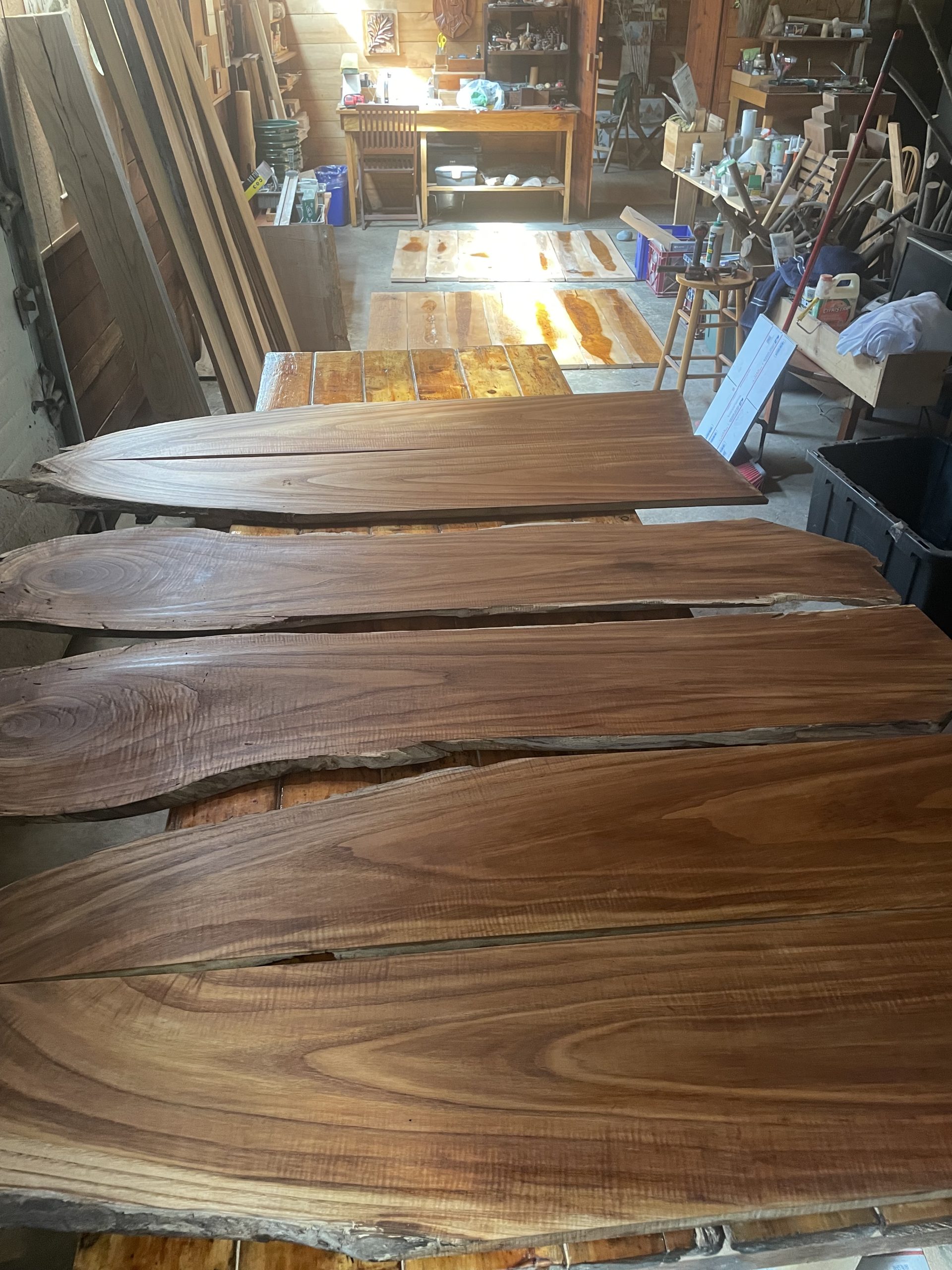
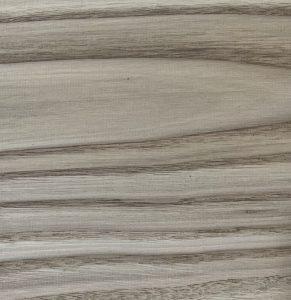 Castanea dentata x mollissima