New American Persimmon Variety Named: Bright Lights
November 22, 2026
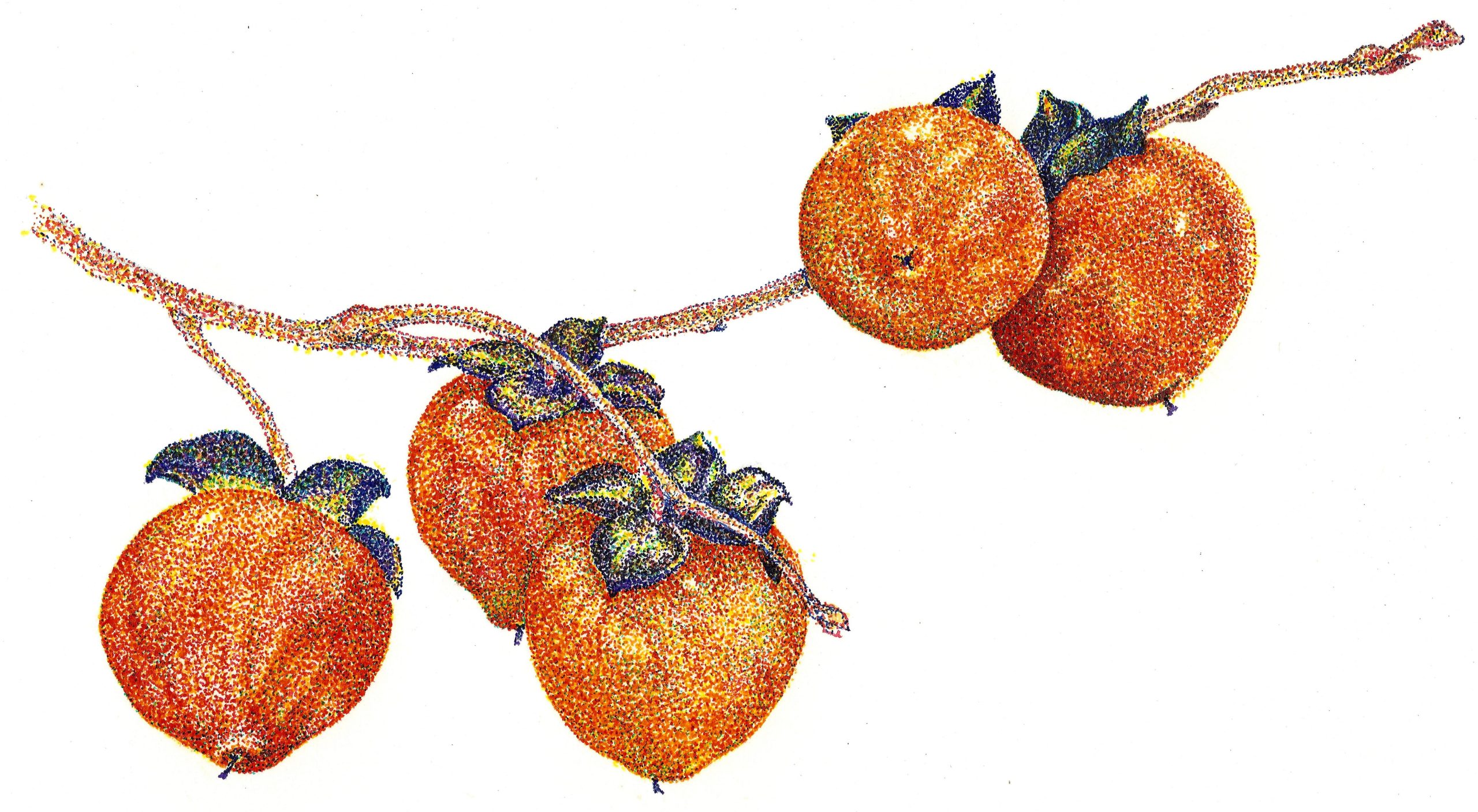
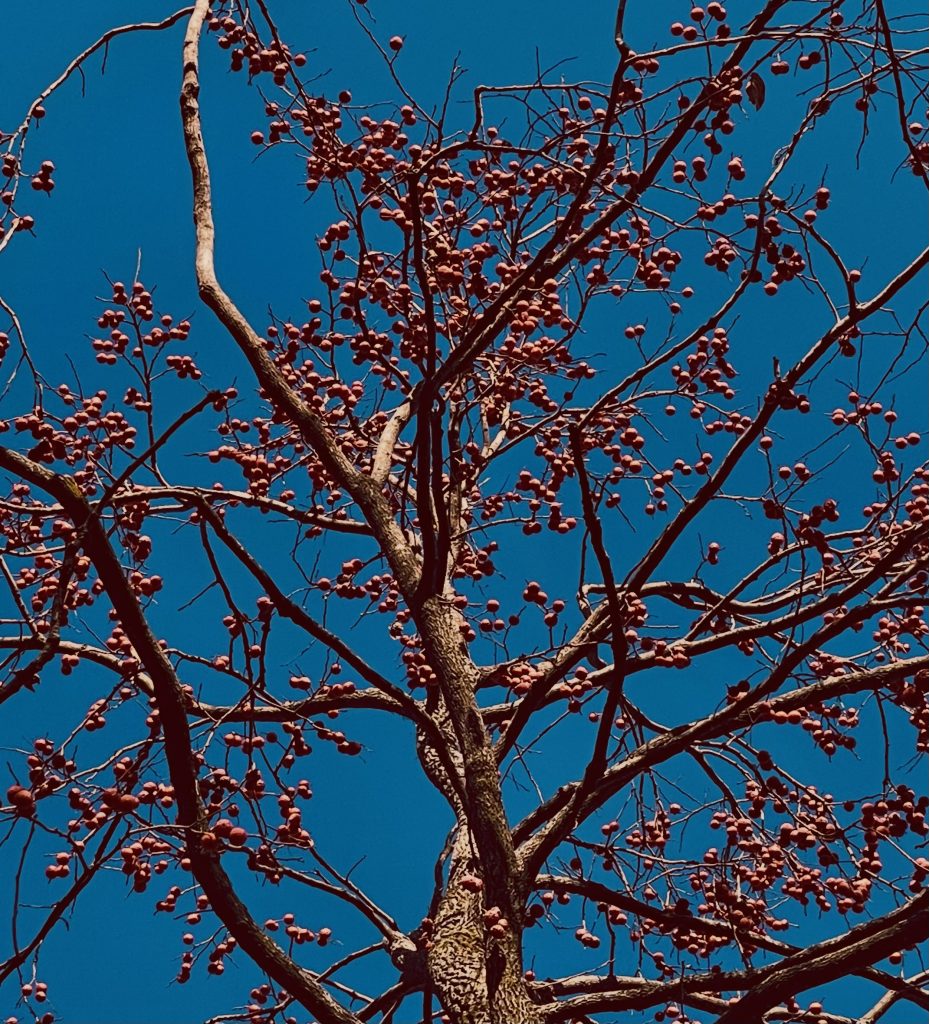
“Bright Lights” adds to the tradition of fully ripened American persimmons within the cloudy and cool weather of southwestern Michigan. Ripens in October and November over a long period, ‘Bright Lights’ hangs on the tree late and produces very delicious fruit rich in sugar with a creamy texture. Although this year’s weather was not particularly kind to all the other crops that require frost to blet or melt on the tree, the American persimmons at the Oikos Tree Crops farm still sailed through the weather calmaties. But even those were hit to a certain extent with several showing reduced yields. ‘Bright Lights’ had been marked about a decade earlier when it was spotted to have super yields and bright colored dark orange fruit with a reddish shoulder. It too was low in seeds and had a great flavor and smooth texture compared to other grafted selections available. The tree is part of my grow out of hundreds of American persimmons grown from seed from the older cultivars of John Rick, Early Golden, Killen and Morris Burton to name a few. The lineage help define the quality seedlings from early ripening trees found 200 miles north of its native range. When people try to grow certain plants like palms or Camelias there certainly is a marked flexibility found within certain populations of plants bred under cultivation by gardeners. This is the case of the American persimmon. Most people knew the trees hardiness was good but not so much on the ripening of the fruit in cool and cloudy locations. So it is not an easy thing to find the ripened fruit in Zone 5 with clouds surrounding. This is why the grafted forms I tested like NC_10, Early Golden and Meader as well as the hybrids with Kaki were such huge flops. It might work in other locations but not here. This is a common experience with testing new crops in new locations. You can do it but it is iffy. It is a source of joy for me to find these new selections and over time carefully label and name them for future generations of tree crop and agroforestry projects so they do not have waste time and resources to find truly adaptable crops in this challenging world we live in. Remember American persimmon is not native to Michigan so this small step will help to make it a commercial crop in the future. It is not native agriculture. It is global agriculture that needs help. Reach out past the borders. If we do not do that, then we all suffer. Enjoy. Kenneth Asmus